Buying a yacht is an exciting adventure, but it can also feel overwhelming if you’re not sure where to start. From choosing the right type and size to understanding the costs and legal requirements, there’s a lot to consider before you can set sail.
In this blog post, we’ll break down the yacht buying process step by step, giving you practical tips and insights along the way. You’ll learn how to identify the perfect yacht for your needs, navigate financing and insurance, and handle inspections and paperwork with confidence.

Understanding the Yacht Buying Process
Buying a yacht is a big decision, and understanding the process is key to making it smooth and stress-free. It’s more than just picking a vessel—you’ll need to consider factors like the type of yacht that suits your lifestyle, the costs involved beyond the purchase price, and the legal and paperwork requirements.
Knowing what to expect helps you make informed decisions, avoid surprises, and feel confident throughout the journey from browsing listings to finally stepping aboard your new yacht.
Yacht Buying Process Step by Step
Buying a yacht is an exciting journey, but it can feel overwhelming without a clear plan. From setting a budget to choosing the right type of vessel, each decision shapes your experience on the water.
Breaking the process into manageable steps makes it easier to stay organized, make informed choices, and enjoy the adventure of finding your perfect yacht.
1. Define Your Budget and Ownership Costs
Before you start browsing yachts, it’s important to know what you can afford—not just for the purchase price, but for ongoing costs too. Maintenance, insurance, docking fees, fuel, and crew (if needed) can add up quickly.

2. Private or Commercial Use
Next, consider how you’ll use your yacht. Will it be for personal enjoyment, weekend getaways, or extended cruising? Or are you planning to use it for chartering or commercial purposes?
Your intended use affects the type of yacht you choose, the equipment it needs, and the regulations you’ll need to follow.
3. How to Choose the Right Yacht
Choosing the right yacht is about matching your needs with the features and size that suit your lifestyle. Think about how many people you’ll usually host, the destinations you want to explore, and whether you prefer a motor yacht or a sailing yacht. Comfort, performance, and onboard amenities all play a role in finding the perfect match.
4. Search and Shortlist Yachts
Once you know your budget, purpose, and ideal type, it’s time to start searching. Look at listings from brokers, yacht dealers, and reputable online platforms. As you explore options, create a shortlist of yachts that meet your criteria, and consider arranging viewings or inspections to get a firsthand look before making any decisions.

Things to Consider Before Buying a Yacht
Buying a yacht is a big investment, and there are several important factors to think about before making a decision. Considering these details ahead of time can help you avoid unexpected costs, ensure smooth ownership, and get the most enjoyment out of your yacht.
1. Budget and Ongoing Maintenance
Your initial purchase price is just the beginning. Ongoing maintenance, fuel, repairs, and seasonal upkeep can add significantly to your costs. Understanding these expenses upfront ensures you can enjoy your yacht without financial surprises.
2. Dockage and Storage
Where you keep your yacht matters. Dockage and storage fees vary depending on location, marina, and yacht size. You’ll also need to consider accessibility, seasonal requirements, and whether your preferred location offers the facilities you need.
3. Insurance and Registration
Yacht insurance and registration are essential for legal compliance and peace of mind. Insurance protects your investment against accidents, damage, or liability, while proper registration ensures you meet all local and international regulations.
4. Crew and Operational Requirements
Depending on the size and complexity of your yacht, you may need professional crew or additional training to operate it safely. Understanding crew needs, licenses, and operational responsibilities is crucial for safe and enjoyable yachting.
5. Resale Value and Depreciation
Yachts, like most vehicles, depreciate over time. Considering resale value and how well a particular model holds its value can help you make a smarter investment and plan for the future if you decide to sell or upgrade.
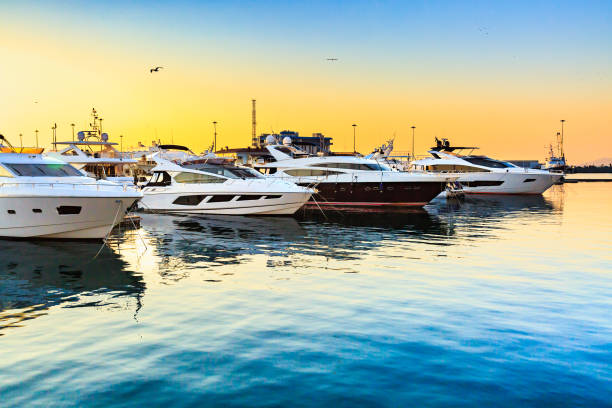
What to Look for When Buying a Yacht
Whether you’re considering a brand-new yacht or a pre-owned vessel, paying attention to the right details ensures you choose a yacht that fits your needs, budget, and lifestyle.
What to Look for When Buying a Used Yacht
When buying a used yacht, condition is everything. Check the hull, engines, and onboard systems for wear or damage, and review maintenance records carefully.
A professional survey is highly recommended to uncover hidden issues, and understanding the yacht’s history (like past ownership, usage, or accidents) can prevent costly surprises.
What to Look for When Buying a New Yacht
Buying a new yacht allows you to customize features and enjoy the latest technology, but it comes with its own considerations. Pay attention to build quality, available warranties, and onboard systems. Make sure the yacht suits your long-term needs in terms of size, layout, and intended use, so you invest in a vessel that will serve you well for years to come.

How to Inspect a Yacht Before Buying
Inspecting a yacht before purchase is essential to avoid surprises and ensure you’re making a smart investment. Use this quick checklist to cover the key areas during your evaluation:
Yacht Buying Checklist
- Exterior and Hull Inspection: Check for cracks, blisters, or signs of repairs on the hull, deck, and superstructure. Inspect paint, gel coat, and fittings for wear or damage.
- Engines and Generators: Test engines and generators for smooth operation, unusual noises, and leaks. Review maintenance records for regular servicing.
- Electrical and Plumbing Systems: Ensure all electrical components, lights, pumps, and plumbing work correctly. Look for corrosion, loose connections, or leaks.
- Navigation and Safety Equipment: Verify that navigation systems, radios, life jackets, fire extinguishers, and other safety gear are present and functional.
- Interior Condition: Inspect cabins, galley, bathrooms, and living areas for cleanliness, water damage, mold, or structural issues.
After completing your inspection, take notes and photos to compare yachts and support your decision-making. Consider hiring a professional surveyor for a thorough evaluation, especially for used yachts.
A careful inspection helps you avoid costly surprises, ensures safety, and gives you confidence that your new yacht is ready for smooth sailing.

What Mistakes Should You Avoid When Buying a Yacht
Buying a yacht is an exciting experience, but it’s easy to make costly mistakes if you’re not careful. Knowing what to watch out for can save you money, stress, and disappointment, ensuring your yacht purchase is a smooth and enjoyable process.
1. Skipping a Marine Survey
One of the biggest mistakes is skipping a professional marine survey. A surveyor can uncover hidden issues with the hull, engines, or onboard systems that aren’t visible at first glance. Skipping this step could lead to expensive repairs down the line.
2. Underestimating Ownership Costs
Many buyers focus only on the purchase price and overlook ongoing expenses like maintenance, insurance, docking fees, fuel, and crew. Underestimating these costs can strain your budget and limit your enjoyment of the yacht.
3. Buying the Wrong Size Yacht
Choosing a yacht that’s too large or too small for your needs can create unnecessary complications. A yacht that’s too big may be expensive to maintain, while one that’s too small may not provide the comfort or space you want for trips and entertaining.
4. Rushing the Purchase
Buying a yacht is a major investment and rushing into a decision can lead to regrets. Take the time to research, view multiple options, and inspect yachts carefully before committing. Patience ensures you make the right choice.
5. Not Working with an Experienced Broker
Navigating the yacht market on your own can be overwhelming. Experienced brokers provide valuable guidance, access to reputable listings, and help negotiate terms. Skipping this resource can make the process more complicated and increase the risk of mistakes.

Learn How to Choose, Inspect, And Invest in The Right Yacht for You
Buying a yacht is an exciting adventure, but it takes careful planning, research, and attention to detail to make the right choice. From setting your budget and choosing the right type of yacht to inspections and avoiding common mistakes, each step matters in ensuring a smooth purchase and enjoyable ownership.
If you’re ready to take the next step, Ignition Marine can help. Whether you’re looking for expert guidance, yacht inspections, or trusted services, we’re here to make your yacht-buying journey easier and more enjoyable.
Book a service today and start turning your dream of yacht ownership into reality.