

Whether operating a commercial workboat or enjoying time on a private yacht, maintaining your vessel’s structural integrity is essential for safe and reliable performance. Even minor damage can worsen over time due to constant exposure to waves, vibration, impacts, and harsh marine conditions. Recognizing the early signs of structural damage in marine vessels allows owners and operators to address issues before they become more costly or compromise safety.
Structural deterioration can result from several factors, including accidental collisions, groundings, heavy loading, corrosion, metal fatigue, and years of exposure to saltwater. Severe weather, repeated wave impacts, and inadequate maintenance can also place continuous stress on the hull and supporting structures, gradually weakening critical components. Left untreated, these problems may affect your vessel’s stability, watertight integrity, and overall operational efficiency.
Early identification is one of the most effective ways to reduce repair costs and minimize downtime. Routine inspections help detect developing cracks, corrosion, hull deformation, and other warning signs before they evolve into major structural failures. For commercial operators, this means keeping projects on schedule and maintaining regulatory compliance. For yacht owners, it helps preserve safety, comfort, and the long-term value of the vessel.
Professional marine structural repairs restore the strength and reliability of damaged vessels using specialized repair techniques that meet marine industry standards. From repairing hull damage and reinforcing structural components to addressing corrosion and impact-related issues, experienced marine technicians can help extend your vessel’s service life while ensuring it remains safe and seaworthy for years to come.
What Causes Structural Damage in Marine Vessels?
Marine vessels operate in demanding environments where constant exposure to water, heavy loads, and repeated stress can gradually weaken structural components. Understanding the most common causes of structural damage in marine vessels helps owners identify problems early and schedule marine structural repairs before minor issues become major ones.
Corrosion and Prolonged Water Exposure
Saltwater is one of the leading causes of structural deterioration in marine vessels. Over time, continuous exposure can corrode metal components, weaken protective coatings, and reduce the overall strength of the hull and supporting structures. Common effects include:
- Corrosion and rust formation
- Pitting on metal surfaces
- Material thinning
- Deterioration around welds, frames, and structural supports
Addressing corrosion early helps preserve the vessel’s structural integrity and prevents more extensive repairs.
Impact and Collision Damage
Even seemingly minor impacts can cause hidden structural damage that worsens if left unrepaired. Hulls and structural components should always be inspected after any significant impact. Common sources of damage include:
- Contact with docks or pilings
- Grounding on rocks or shallow seabeds
- Collisions with other vessels
- Floating logs, debris, or submerged objects
- Heavy equipment or cargo impacts
Prompt inspections can detect cracks, deformation, or internal damage before they affect the vessel’s safety.

Repeated Stress and Vibration
Vessels that operate frequently or carry heavy workloads experience continuous structural stress. Over time, repeated flexing and vibration can contribute to fatigue and localized damage. This is especially common in:
-
-
-
-
-
-
-
-
-
-
-
-
-
-
-
-
-
-
-
- Commercial fishing vessels
- Tugboats
- Charter vessels
- Workboats
- Frequently operated yachts
-
-
-
-
-
-
-
-
-
-
-
-
-
-
-
-
-
-
Contributing factors include:
-
-
-
-
-
-
-
-
-
-
-
-
-
-
-
-
-
-
-
- Hull slamming in rough seas
- Heavy commercial use
- Repeated loading and unloading
- Continuous engine and machinery vibration
-
-
-
-
-
-
-
-
-
-
-
-
-
-
-
-
-
-
Routine inspections help identify stress-related damage before it progresses into structural failure.
Aging and Previous Repairs
As vessels age, their structural components naturally experience wear and fatigue. Areas that have been repaired previously may also require ongoing monitoring, particularly if repairs were performed many years ago or under emergency conditions. Potential causes include:
- Structural fatigue from years of service
- Material deterioration over time
- Poorly executed previous repairs
- Repeated repairs in the same location
Regular structural assessments ensure aging vessels remain safe, reliable, and fit for continued operation.
Warning Signs of Structural Damage in Marine Vessels
Structural damage isn’t always obvious. While some problems are visible, others develop gradually and only become noticeable as they begin affecting the vessel’s performance or safety. Identifying these warning signs early allows for timely marine structural repairs, helping prevent more extensive damage and costly downtime.
 Cracks or Fractures
Cracks are among the most common indicators of structural stress. Even small fractures can spread over time, especially in vessels exposed to heavy loads, rough waters, or constant vibration. Look for:
-
-
-
-
-
-
-
-
-
-
-
-
-
-
-
-
-
-
-
-
- Cracks around welds
- Cracks near structural joints
- Cracks around doors, hatches, and other openings
- Repeated cracking in the same area after previous repairs
-
-
-
-
-
-
-
-
-
-
-
-
-
-
-
-
-
-
-
Corrosion, Pitting, or Thinning Metal
Not all corrosion is cosmetic. Prolonged exposure to saltwater can gradually reduce the thickness of metal components, weakening their ability to withstand operational loads. Signs to watch for include:
-
-
-
-
-
-
-
-
-
-
-
-
-
-
-
-
-
-
-
-
- Heavy rust or corrosion
- Pitting on metal surfaces
- Flaking or deteriorating protective coatings
- Noticeably thinned metal in structural areas
-
-
-
-
-
-
-
-
-
-
-
-
-
-
-
-
-
-
-
Addressing corrosion early can help prevent more extensive structural deterioration.
 Warping, Deformation, or Misalignment
Structural components should retain their original shape and alignment. Visible deformation may indicate that the vessel has experienced excessive stress or impact. Examples include:
-
-
-
-
-
-
-
-
-
-
-
-
-
-
-
-
-
-
-
-
-
- Bent structural members
- Distorted decks
- Deformed hull sections
- Misaligned doors, hatches, or fittings
-
-
-
-
-
-
-
-
-
-
-
-
-
-
-
-
-
-
-
-
Water Ingress or Unexpected Leaks
Water intrusion isn’t always caused by worn seals or fittings. In some cases, unexplained leaks may indicate damage to the hull or surrounding structural components. Potential warning signs include:
-
-
-
-
-
-
-
-
-
-
-
-
-
-
-
-
-
-
-
-
-
- Water entering compartments unexpectedly
- Persistent leaks that return after repairs
- Moisture appearing around structural joints
- Water intrusion following an impact or grounding
-
-
-
-
-
-
-
-
-
-
-
-
-
-
-
-
-
-
-
-
A professional inspection can identify the source and determine whether structural repairs are necessary.
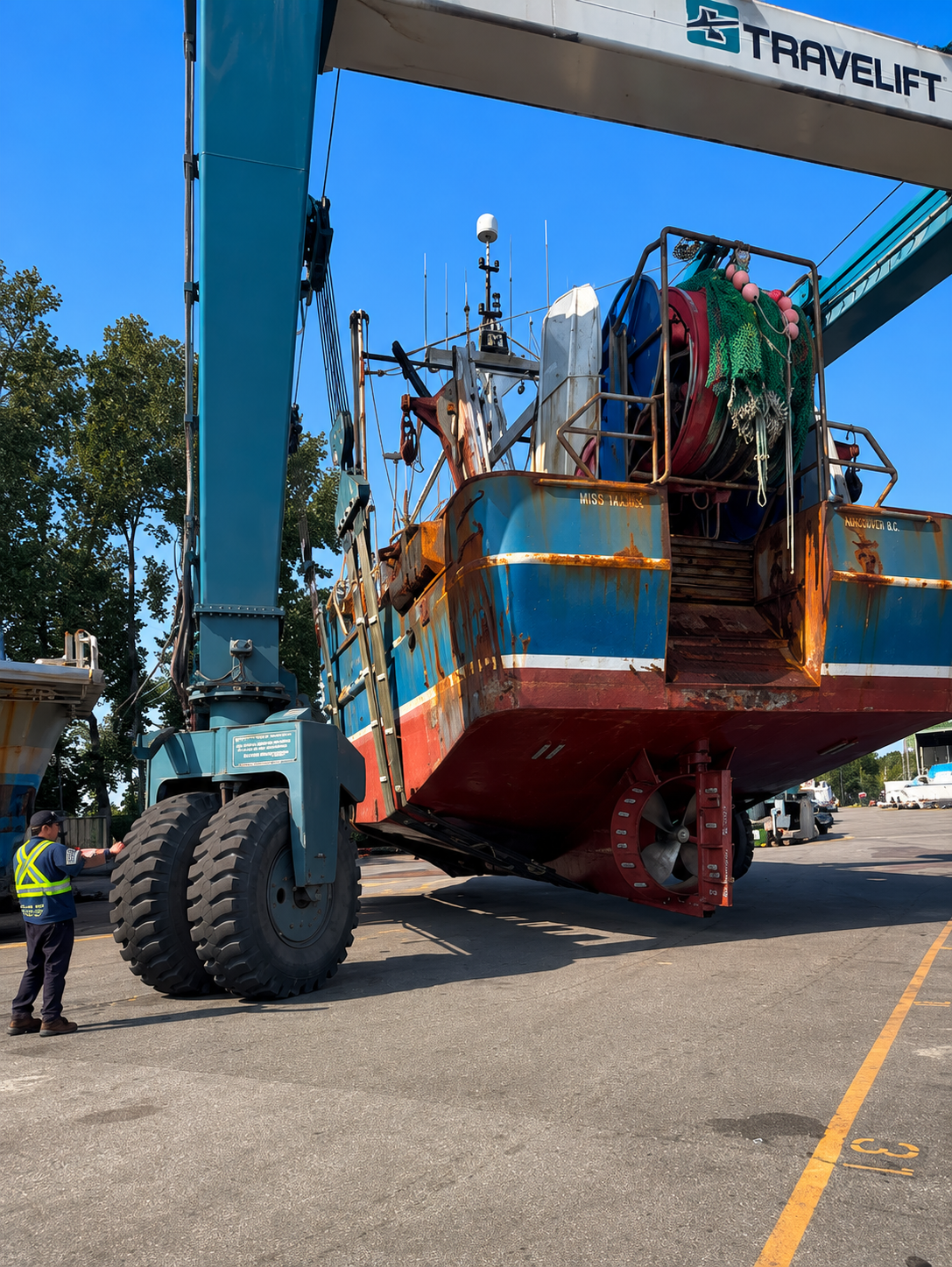
Damaged or Deteriorating Welds
Welds play a critical role in maintaining a vessel’s structural integrity. Damage or deterioration in welded areas should never be overlooked. Inspect for:
-
-
-
-
-
-
-
-
-
-
-
-
-
-
-
-
-
-
-
-
-
- Cracked welds
- Separation along welded joints
- Corrosion around welds
- Visible signs of weld deterioration
-
-
-
-
-
-
-
-
-
-
-
-
-
-
-
-
-
-
-
-
Routine inspections help ensure welded connections remain strong and reliable.
Unusual Vibration or Movement
Commercial vessels, workboats, and frequently operated yachts naturally experience vibration during normal operation. However, new or unusual vibration may indicate a developing mechanical or structural issue that should be investigated. Pay attention to:
-
-
-
-
-
-
-
-
-
-
-
-
-
-
-
-
-
-
-
-
-
- New vibration that wasn’t previously present
- Excessive movement in specific areas
- Rattling or shifting during normal operation
- Vibration that increases under load
-
-
-
-
-
-
-
-
-
-
-
-
-
-
-
-
-
-
-
-
Changes in Vessel Performance or Handling
Changes in vessel performance don’t always point to structural damage, but unexpected differences in how a vessel operates may warrant a professional assessment, particularly if they occur alongside visible signs of deterioration. Examples include:
- Reduced stability
- Changes in trim
- Different handling characteristics
- Unusual noises
- Increased vibration
A thorough inspection can determine whether these changes are related to structural damage or another underlying issue, allowing the appropriate repairs to be carried out promptly.
Why Structural Damage Should Not Be Ignored
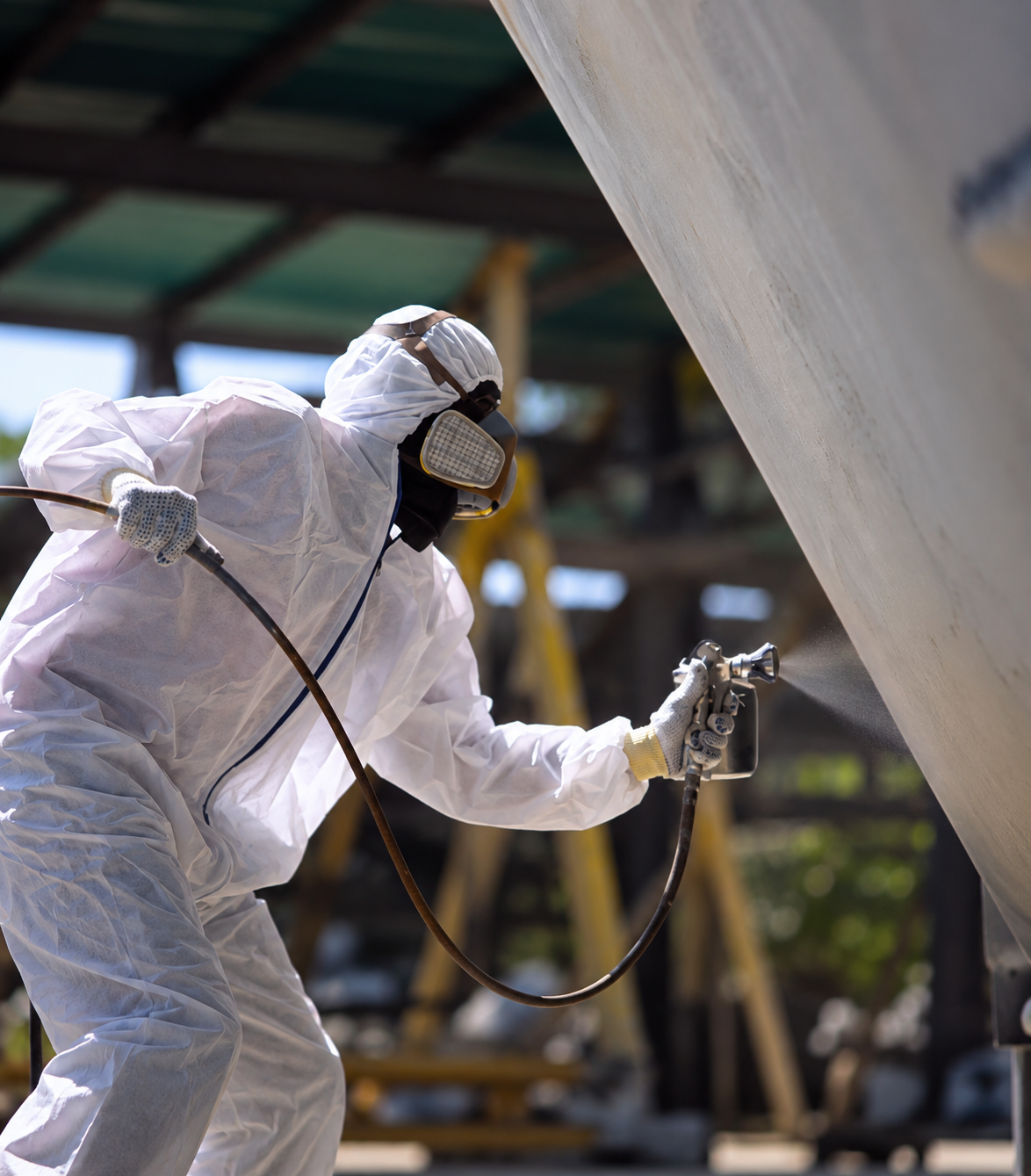
Structural damage rarely improves on its own. What begins as a minor issue can gradually worsen through continued operation, exposure to harsh marine conditions, and everyday wear. Addressing problems early helps protect your vessel, reduce repair costs, and minimize disruptions.
 Increased Repair Costs
Minor cracks, corrosion, or localized damage are often less expensive to repair than widespread structural deterioration. Delaying repairs can allow damage to spread, requiring more extensive work and longer repair times.
Reduced Structural Integrity
Structural damage can weaken the surrounding hull and supporting framework, reducing the vessel’s overall strength and reliability. Timely marine structural repairs help restore structural integrity and maintain the vessel’s long-term performance.
Vessel Downtime
Unexpected structural issues can take vessels out of service for inspections and repairs. For commercial operators, this may lead to project delays, interrupted schedules, and lost productivity. Early detection helps minimize unplanned downtime and keeps operations running more smoothly.
Safety Risks
Operating with unresolved structural damage can place additional stress on affected areas, particularly in rough seas or demanding working conditions. Having potential issues professionally assessed and repaired helps maintain a safer, more reliable vessel for both crew and passengers.
When Should a Marine Vessel Be Inspected?
Regular inspections are one of the most effective ways to identify structural damage in marine vessels before it leads to more extensive repairs. While routine maintenance should be part of every vessel owner’s plan, certain events and warning signs should prompt a professional structural assessment.
 Consider scheduling an inspection after:
-
-
-
-
-
-
-
-
-
-
-
-
-
-
-
-
-
-
-
-
-
-
- A collision or significant impact with another vessel, dock, or floating object
- A grounding, even if no visible damage is immediately apparent
- Signs of significant corrosion, pitting, or thinning metal
- Repeated cracking in the same location
- Major structural modifications or equipment installations
- New or unusual vibration during normal operation
- Visible warping, deformation, or misalignment of structural components
- Unexpected water ingress or recurring leaks
- Evidence of previous structural repairs that show signs of deterioration
-
-
-
-
-
-
-
-
-
-
-
-
-
-
-
-
-
-
-
-
-
Routine inspections are especially important for commercial fishing vessels, tugboats, workboats, charter vessels, and other marine vessels that operate frequently or under demanding conditions. Preventative maintenance and early structural assessments help identify developing issues, reduce unplanned downtime, and extend the service life of the vessel.
If an inspection reveals structural concerns, addressing them promptly with professional marine structural repairs can help restore the vessel’s strength, reliability, and seaworthiness before the damage becomes more extensive.
How Are Marine Structural Repairs Performed?
Every vessel is different, which is why marine structural repairs begin with a thorough evaluation of the damage. The repair approach depends on the location, severity, and underlying cause to ensure the vessel’s structural integrity is restored safely and effectively.
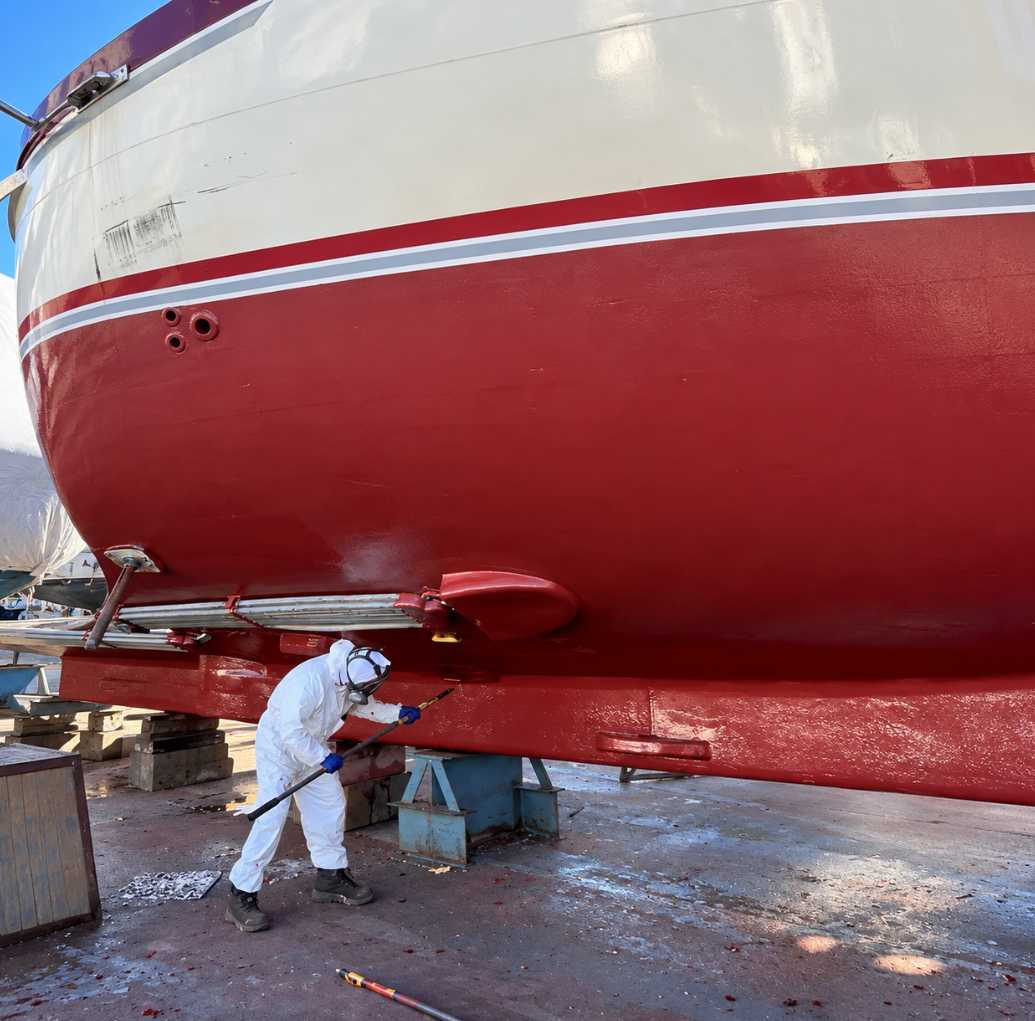
Structural Assessment
The first step is a detailed inspection to identify the location, extent, and potential cause of the damage. This helps determine the most appropriate repair strategy and whether additional structural areas require attention.
Material and Structural Evaluation
Once the damage has been assessed, technicians evaluate the affected materials and structural components. This ensures repairs are tailored to the vessel’s construction and the specific areas requiring restoration.
Repair or Replacement
- Structural welding
- Reinforcing weakened components
- Replacing damaged structural sections
- Custom metal fabrication
- Removing and replacing deteriorated material
The goal is to restore the vessel’s strength while maintaining its structural integrity and operational reliability.
Inspection and Quality Checks
Before the vessel returns to service, completed repairs should be carefully inspected to verify they have been carried out correctly and meet applicable marine standards. Final quality checks help confirm the repaired structure is ready to withstand the demands of everyday operation and provide confidence that the vessel can safely return to the water.
Structural Repairs for Commercial Vessels & Yachts
Professional marine structural repairs should be tailored to a vessel’s purpose, operating conditions, and structural requirements. Whether supporting commercial operations or preserving a private yacht, timely repairs help maintain safety, performance, and long-term reliability.
Commercial Marine Vessels

Commercial vessels are often exposed to demanding workloads, rough operating conditions, and frequent use. Structural repairs help keep these vessels operating safely while minimizing unexpected downtime. Common vessel types include:
-
-
-
-
-
-
-
-
-
-
-
-
-
-
-
-
-
-
-
-
-
-
-
-
-
- Fishing vessels
- Tugboats
- Charter vessels
- Workboats
- Commercial passenger vessels
-
-
-
-
-
-
-
-
-
-
-
-
-
-
-
-
-
-
-
-
-
-
-
-
By addressing structural damage early, operators can improve vessel reliability, support safe operations, and reduce disruptions to daily schedules.
Yachts
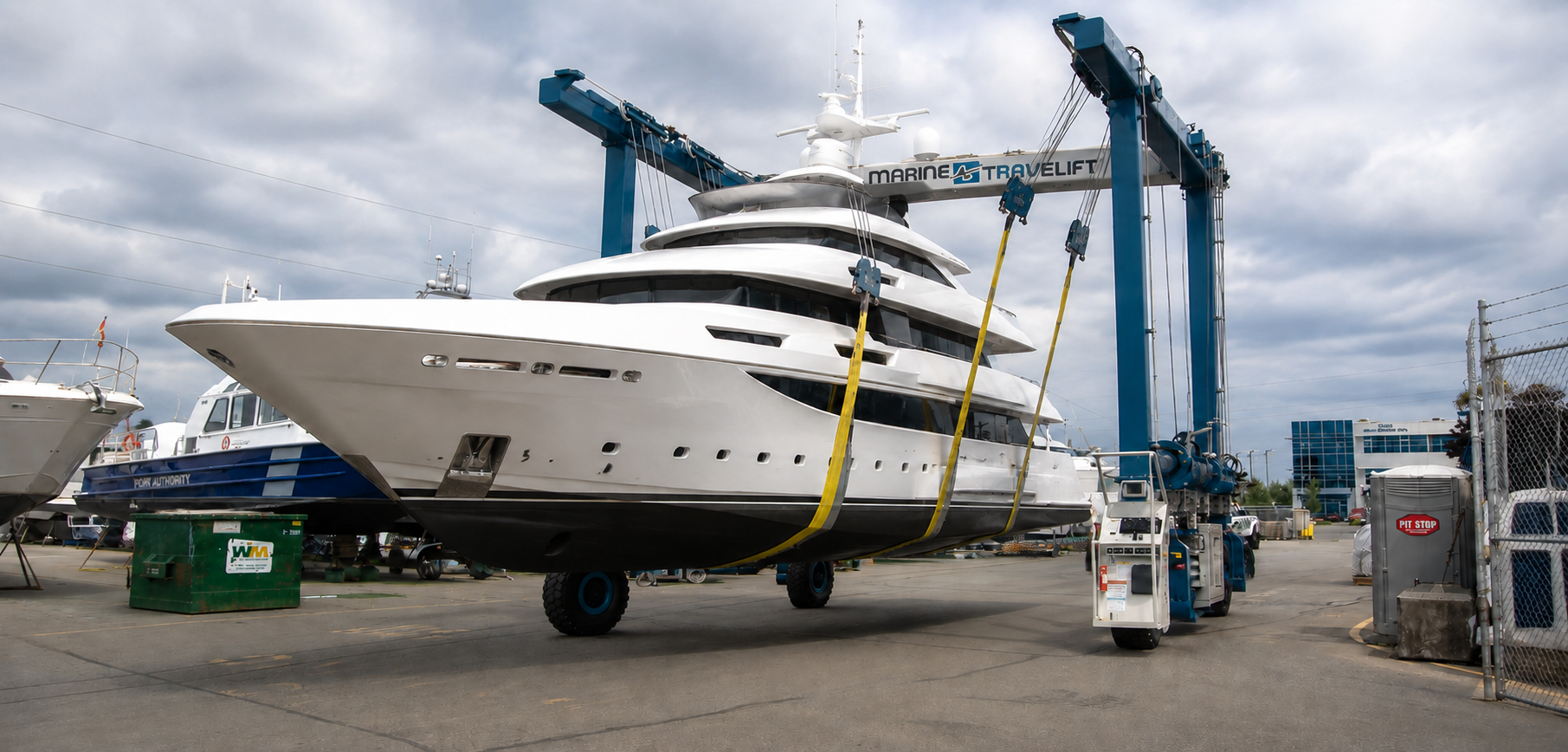
Yachts require structural repairs that not only maintain safety but also preserve the vessel’s condition, performance, and value. Whether addressing damage or completing planned upgrades, quality workmanship is essential to long-term durability. Marine structural repairs for yachts may include:
-
-
-
-
-
-
-
-
-
-
-
-
-
-
-
-
-
-
-
-
-
-
-
-
-
- Hull and deck structural repairs
- Railings, supports, and structural framework
- Structural modifications and upgrades
- Corrosion-related repairs
- Refit and restoration projects
-
-
-
-
-
-
-
-
-
-
-
-
-
-
-
-
-
-
-
-
-
-
-
-
Routine inspections and timely repairs protect your yacht, ensuring it stays safe, seaworthy, and ready for years of enjoyment.
Marine Structural Repairs in Richmond
Commercial vessel operators and yacht owners in Richmond and across the Lower Mainland can benefit from professional assessment and repair when structural issues arise. Early inspections and timely marine structural repairs help restore vessel integrity while reducing the risk of more extensive damage and operational downtime.
Operating at Shelter Island, Ignition Marine provides structural repairs, marine fabrication, vessel maintenance, and related marine services for commercial vessels and recreational yachts. With extensive experience in marine repair and refit projects, the team delivers solutions tailored to each vessel’s operational requirements.
Protect Your Vessel With Professional Structural Repairs
Addressing structural issues early can help extend your vessel’s service life, improve reliability, and reduce the risk of more extensive repairs. Whether you operate a commercial vessel or own a recreational yacht, timely inspections and professional repairs are essential to maintaining safe and dependable performance.
If you’ve noticed cracking, corrosion, deformation, unexpected leaks, or other signs of structural damage in your marine vessel, contact Ignition Marine to discuss your inspection, marine structural repairs, welding, fabrication, and vessel maintenance requirements. Their experienced team proudly serves commercial vessel operators and yacht owners throughout Richmond, Vancouver, and the Lower Mainland, BC.
Why Choose Ignition Marine for Marine Structural Repairs?
When structural damage requires professional attention, choosing an experienced marine service provider makes a difference. Ignition Marine supports both commercial vessels and recreational yachts with reliable repair solutions tailored to their operational needs.
Key advantages include:
- Marine-focused experience serving commercial vessels and yachts
- Structural repair, welding, and custom metal fabrication capabilities
- Integrated mechanical, electrical, and hydraulic services
- Comprehensive vessel maintenance and refit support
- Convenient operations at Shelter Island, serving clients throughout the Lower Mainland, BC
FAQs about Structural Damage in Marine Vessels
What are the most common signs of structural damage on a marine vessel?
Common warning signs include cracks around welds or structural joints, corrosion, pitting, warped or deformed components, unexpected water ingress, damaged welds, and unusual vibration or changes in vessel handling. If you notice any of these issues, it’s best to have the vessel professionally inspected.
Can corrosion cause structural damage to a vessel?
Yes. Over time, corrosion can reduce material thickness, weaken structural components, and compromise the vessel’s overall integrity. Addressing corrosion early helps prevent more extensive damage and costly repairs.
How often should commercial vessels undergo structural inspections?
Inspection frequency depends on the vessel’s age, operating conditions, and maintenance schedule. Commercial vessels that operate frequently or under heavy-duty conditions should undergo routine structural inspections and should also be assessed after collisions, groundings, or whenever signs of damage are observed.
Can marine structural damage be repaired?
In many cases, yes. Professional marine structural repairs may involve welding, reinforcement, metal fabrication, component replacement, or removing and replacing damaged material. The appropriate repair method depends on the type and extent of the damage.
When should a vessel stop operating because of structural damage?
If structural damage is suspected after a collision, grounding, significant impact, or if there are visible cracks, severe corrosion, structural deformation, or persistent water ingress, the vessel should be professionally assessed before continuing normal operations. Prompt evaluation helps determine whether repairs are needed to maintain safe and reliable performance.


