

Marine electrical systems power everything from navigation and communication equipment to lighting, batteries, pumps, and critical onboard controls. Without regular marine electrical maintenance, even a minor issue can quickly develop into a safety risk, costly repair, or unexpected downtime. Whether you operate a commercial vessel or own a pleasure yacht in Richmond, Vancouver, or the Lower Mainland, following consistent marine electrical system maintenance tips helps keep your vessel operating safely, efficiently, and reliably throughout the boating season.
Many electrical failures begin with problems that are easy to overlook, including corroded terminals, loose wiring, aging batteries, moisture intrusion, overloaded circuits, or damaged electrical components.
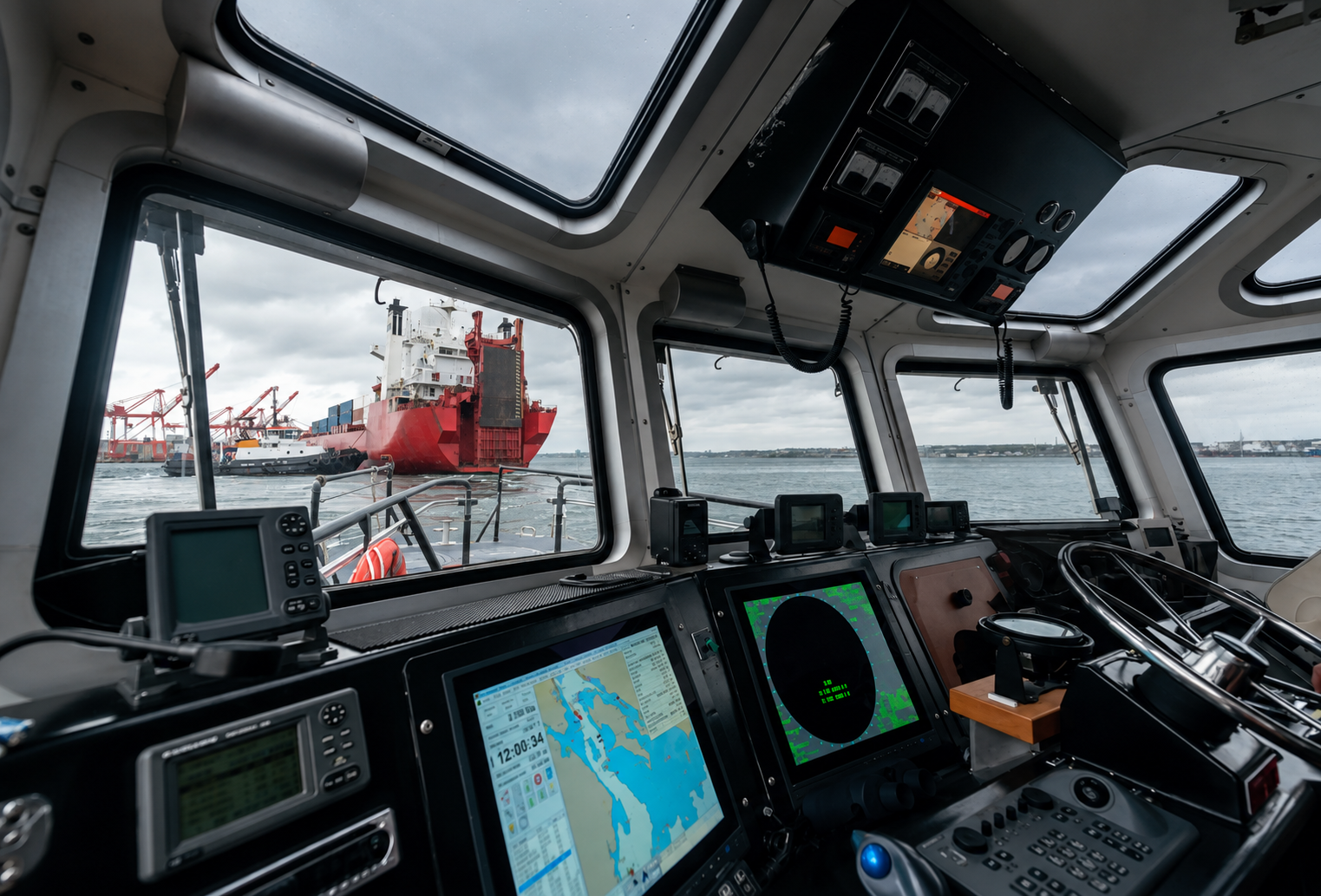 Saltwater, vibration, and continuous exposure to harsh marine conditions accelerate wear on onboard systems, making routine inspections an essential part of vessel electrical system maintenance. Detecting these issues early reduces the likelihood of breakdowns that could disrupt operations or leave you stranded on the water.
Preventative maintenance protects your investment by extending the lifespan of electrical components, improving system reliability, and minimizing expensive emergency repairs. Professional inspections, testing, troubleshooting, and timely repairs also help ensure your vessel complies with marine safety standards while maintaining dependable performance. For expert care, Ignition Marine provides specialized yacht electrical system services for recreational vessels and comprehensive commercial marine services for working fleets throughout British Columbia.
 Understanding Marine Electrical Systems
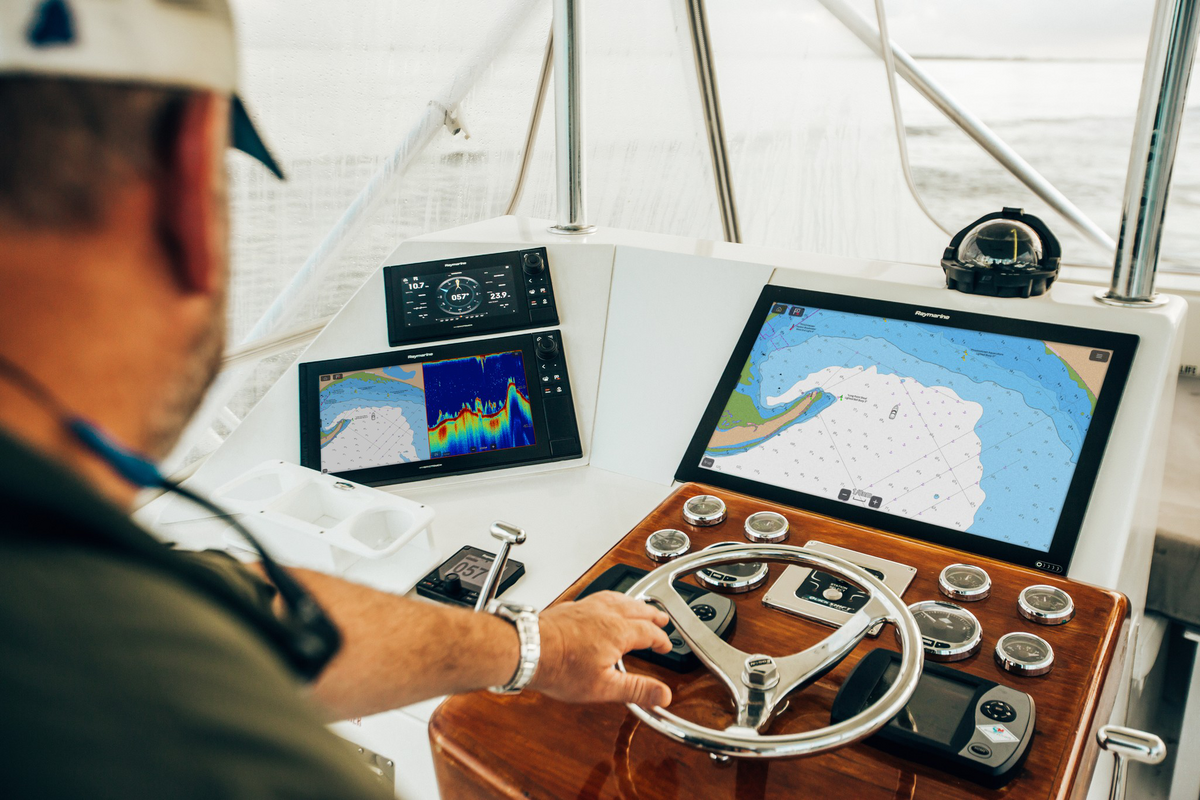
Marine electrical systems operate in one of the harshest environments possible, where constant exposure to moisture, vibration, salt, and changing weather conditions can affect reliability.
Unlike automotive or residential electrical systems, marine electrical systems are designed to withstand these demanding conditions while powering critical onboard equipment. Understanding how these systems work is the first step toward effective marine electrical maintenance and preventing unexpected electrical failures.
What Makes Marine Electrical Systems Different?
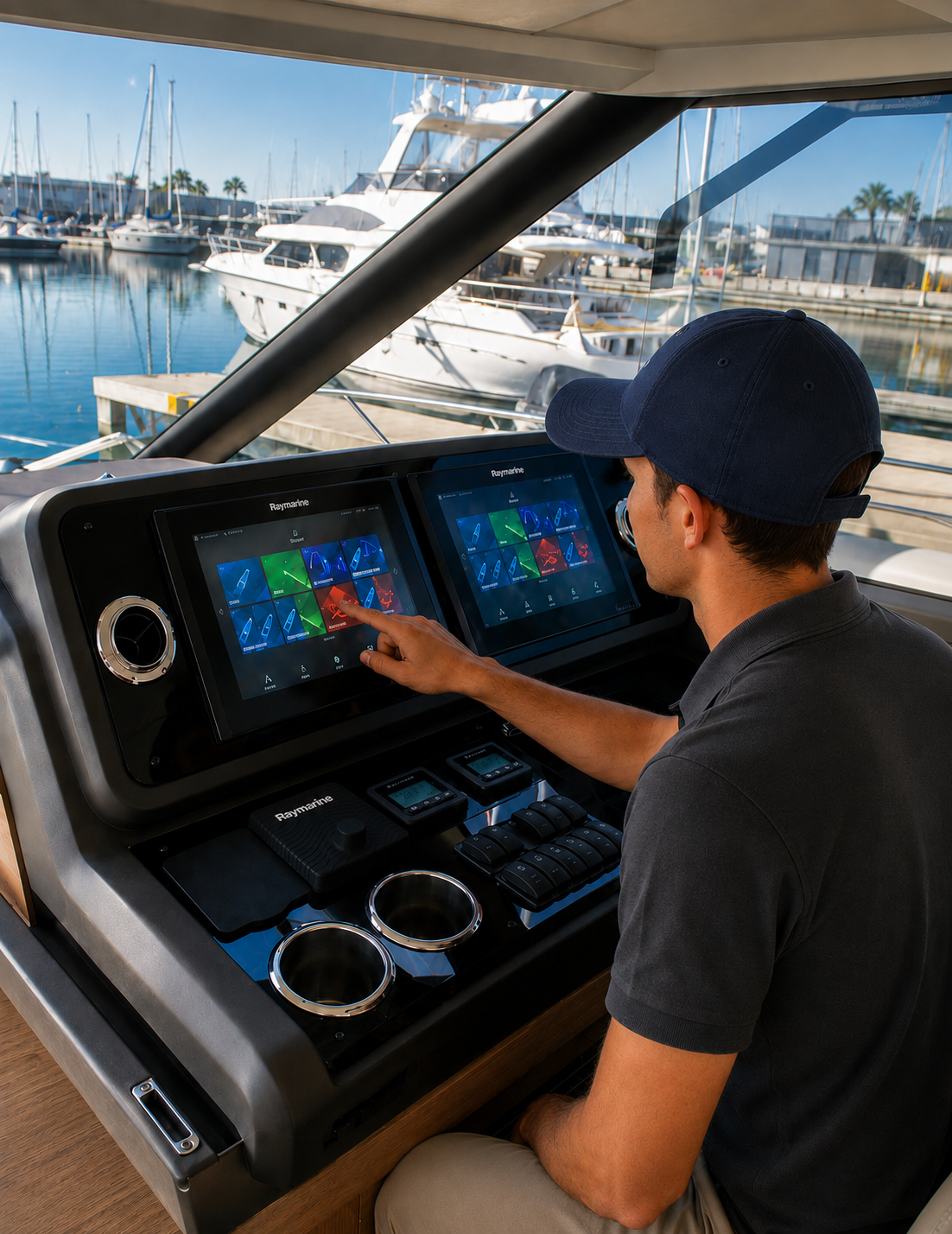
Most vessels rely on a combination of direct current (DC) and alternating current (AC) power. DC systems, typically supplied by onboard batteries, power essential equipment such as navigation lights, radios, bilge pumps, engine starters, and monitoring systems.
AC systems are commonly used when connected to shore power or onboard generators, supplying electricity to larger appliances, air conditioning units, battery chargers, and other high-powered equipment.
The performance of both systems depends on several key electrical components working together, including:
-
-
-
-
-
-
-
-
-
-
-
-
-
-
-
-
-
-
-
-
-
-
-
-
-
- Batteries and battery banks
- Alternators and charging systems
- Shore power connections
- Circuit breakers and electrical panels
- Wiring, cables, and connectors
- Switches, relays, and fuses
- Inverters and battery chargers
-
-
-
-
-
-
-
-
-
-
-
-
-
-
-
-
-
-
-
-
-
-
-
-
Marine electrical systems also face a unique challenge that land-based electrical systems rarely encounter: saltwater. Salt accelerates corrosion on terminals, connectors, wiring, and metal components, while humidity and moisture increase the risk of short circuits and insulation damage. Combined with constant vessel movement and vibration, these conditions make routine vessel electrical system maintenance essential for keeping electrical systems operating safely and efficiently.
The Importance of Regular Maintenance
Regular maintenance helps identify small electrical issues before they develop into expensive repairs or safety hazards. Inspecting batteries, cleaning corroded terminals, testing charging systems, checking wiring, and verifying electrical connections all contribute to a more dependable vessel. Consistent inspections also reduce the likelihood of unexpected power failures that could interrupt commercial operations or recreational trips.
Beyond improving reliability, preventative maintenance extends the lifespan of electrical components and helps maintain compliance with marine safety standards. Whether operating a commercial vessel or a private yacht, following a proactive marine electrical maintenance schedule reduces downtime, improves onboard safety, and ensures your electrical systems continue performing when you need them most.
Essential Electrical Maintenance Tips for Your Yacht and Commercial Vessels
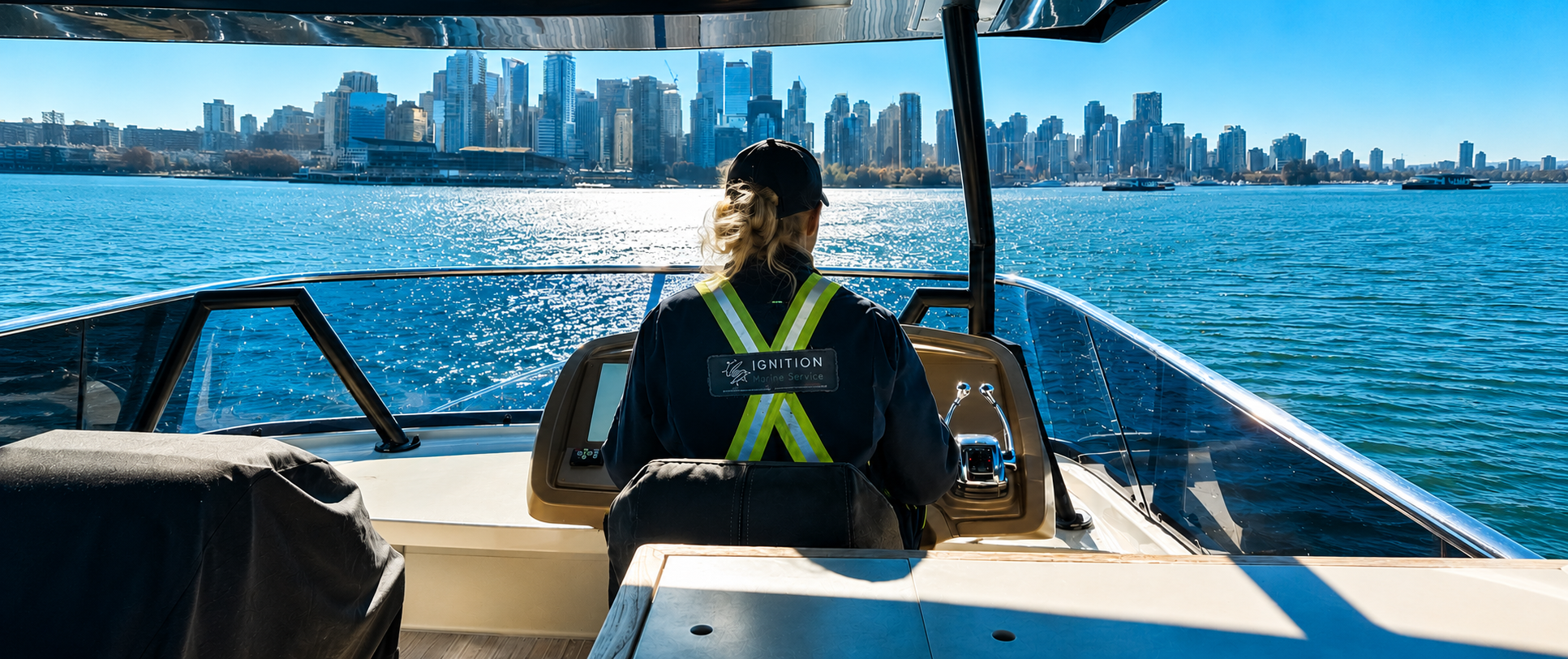
Proper marine electrical maintenance helps prevent unexpected breakdowns, extends the lifespan of onboard equipment, and keeps your vessel operating safely. Whether you manage a commercial fleet or own a private yacht, following these essential maintenance practices can significantly reduce costly repairs and improve overall system reliability.
1. Inspect Batteries and Charging Systems
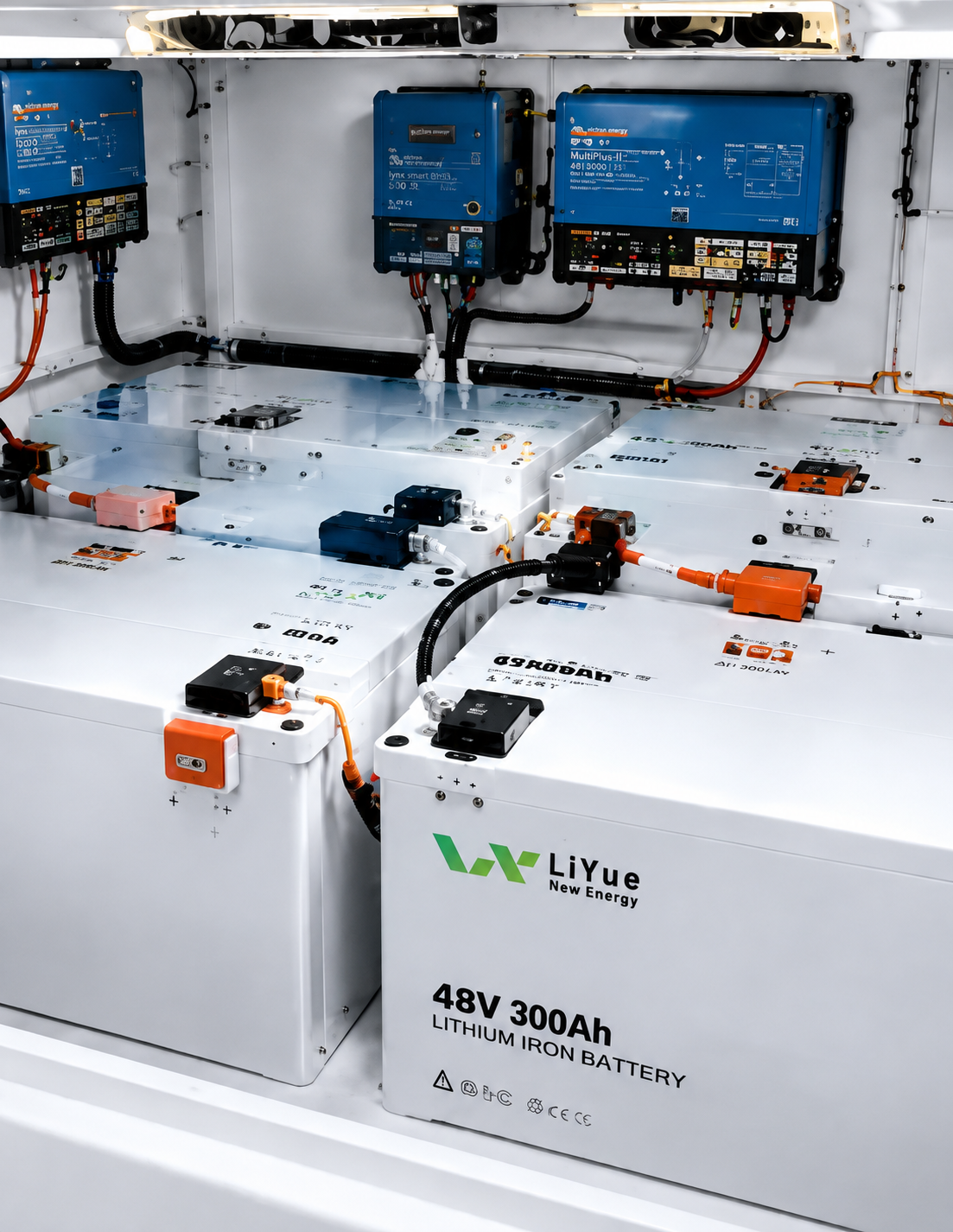
Your batteries are the foundation of your vessel’s electrical system. A weak battery or charging issue can affect everything from engine starting to navigation and communication equipment. During routine inspections, check for:
-
-
-
-
-
-
-
-
-
-
-
-
-
-
-
-
-
-
-
-
-
-
-
-
-
- Battery age, condition, and secure mounting
- Proper charging performance from alternators or battery chargers
- Loose, damaged, or corroded battery terminals
- Correct voltage levels using a multimeter
- Signs of battery swelling, leaks, or overheating
-
-
-
-
-
-
-
-
-
-
-
-
-
-
-
-
-
-
-
-
-
-
-
-
2. Check Electrical Wiring and Connections
Marine wiring experiences constant movement, vibration, and environmental exposure. Over time, cables can deteriorate, increasing the risk of electrical faults or fire hazards. Inspect your electrical system for:
-
-
-
-
-
-
-
-
-
-
-
-
-
-
-
-
-
-
-
-
-
-
-
-
-
- Cracked, brittle, or damaged wiring insulation
- Loose electrical terminals and connectors
- Chafed cables caused by vibration or friction
- Heat damage or discoloured wiring
- Proper cable routing with adequate support and protection
-
-
-
-
-
-
-
-
-
-
-
-
-
-
-
-
-
-
-
-
-
-
-
-
3. Prevent Corrosion Before It Causes Failures
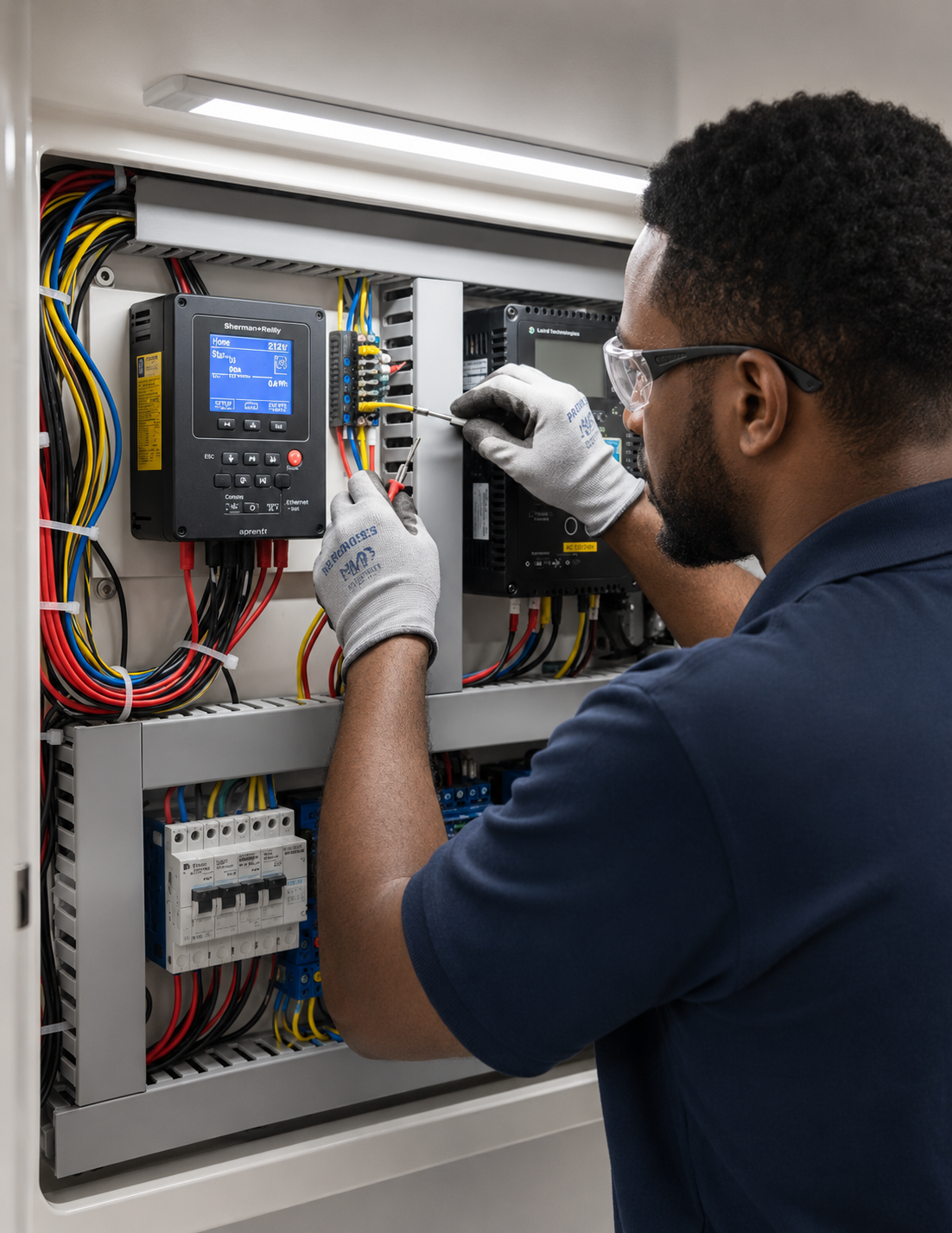
Even small amounts of corrosion can increase electrical resistance and lead to unreliable equipment operation. Protect your system by:
-
-
-
-
-
-
-
-
-
-
-
-
-
-
-
-
-
-
-
-
-
-
-
-
-
- Inspecting terminals for corrosion and oxidation
- Cleaning electrical connections regularly
- Checking for moisture intrusion around electrical components
- Applying marine-grade dielectric grease or protective coatings
- Replacing severely corroded connectors when necessary
-
-
-
-
-
-
-
-
-
-
-
-
-
-
-
-
-
-
-
-
-
-
-
-
4. Test Circuit Breakers, Fuses, and Electrical Panels
Circuit protection devices are designed to prevent damage when electrical faults occur. However, they also require regular inspection to ensure they function properly when needed. Maintenance should include:
-
-
-
-
-
-
-
-
-
-
-
-
-
-
-
-
-
-
-
-
-
-
-
-
-
- Testing circuit breakers for proper operation
- Replacing blown or worn fuses with the correct ratings
- Inspecting electrical panels for loose connections or overheating
- Checking for signs of moisture or corrosion inside electrical panels
- Avoiding overloaded circuits by monitoring connected equipment
-
-
-
-
-
-
-
-
-
-
-
-
-
-
-
-
-
-
-
-
-
-
-
-
5. Monitor AC and DC Electrical Systems
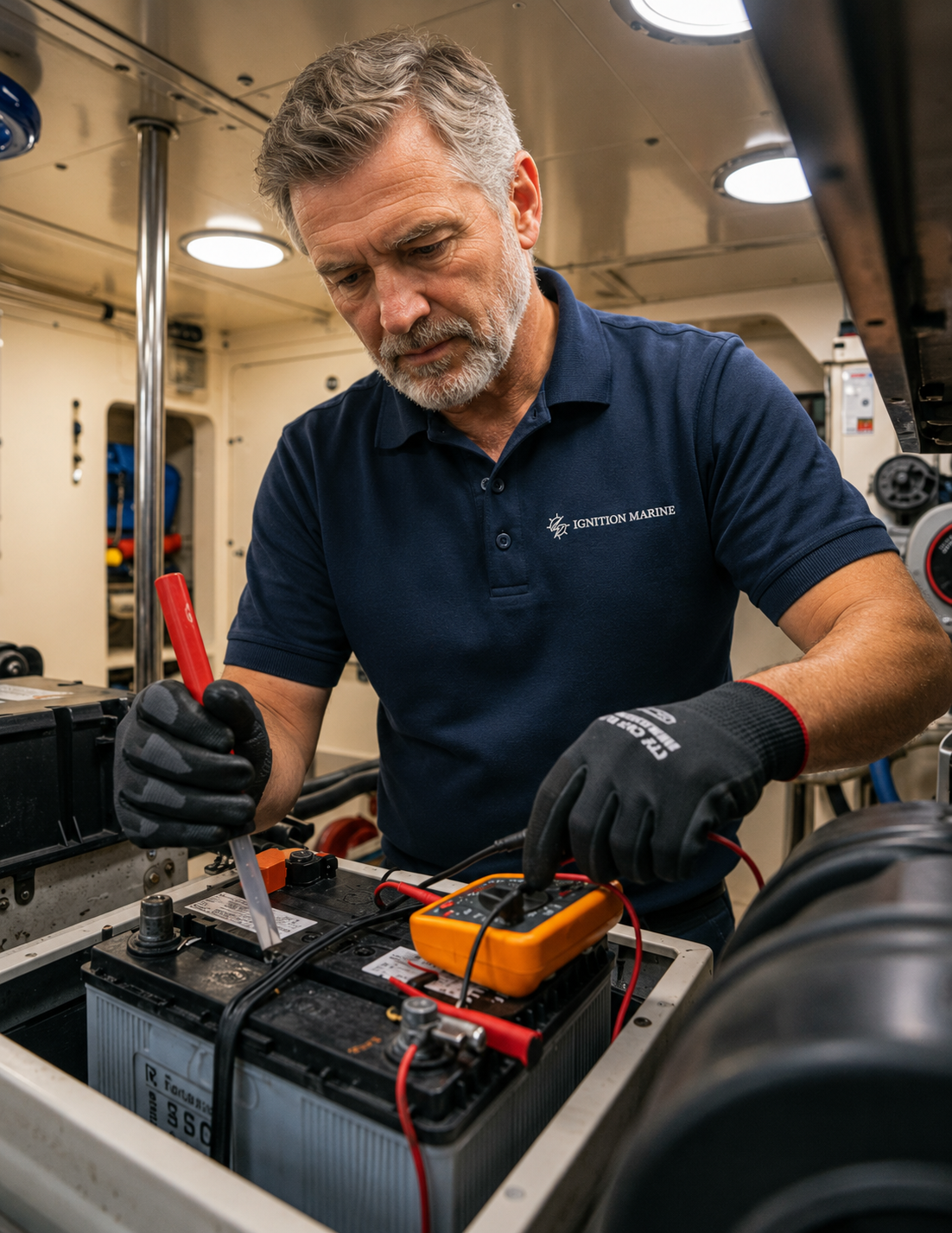
Most modern vessels use both AC and DC electrical systems to power different onboard equipment. Keeping both systems balanced is essential for reliable operation. Regularly monitor:
- Shore power connections for safe operation
- Generator output while supplying AC power
- Battery-powered DC circuits
- Stable voltage throughout the vessel
- Overall electrical load to avoid excessive demand
6. Inspect Marine Generators and Power Distribution
Mrine generators provide dependable electrical power when shore power is unavailable. Because they often operate for extended periods, regular servicing is essential to maintain efficiency. Key inspection points include:
- Generator voltage and power output
- Charging system performance
- Signs of power fluctuations or inconsistent voltage
- Cooling, fuel, and exhaust system condition
- Manufacturer-recommended routine servicing
Professional generator maintenance helps prevent unexpected failures and ensures consistent onboard power. If your generator requires extensive repairs, learn more about Ignition Marine’s Marine Generator Overhaul services.

7. Troubleshoot Common Marine Electrical Problems
Electrical issues often begin with minor symptoms before becoming major failures. Identifying these warning signs early can prevent costly repairs and improve onboard safety. Common problems include:
- Dead or weak batteries
- Flickering or dim lighting
- Complete or partial power loss
- Equipment that repeatedly shuts down
- Frequently tripped breakers
- Electrical shorts or blown fuses
When troubleshooting does not identify the root cause, professional diagnostic testing can help locate hidden faults within the electrical system.
8. Upgrade Aging Electrical Components
Older vessels often contain electrical components that no longer meet modern performance or safety standards. Upgrading outdated equipment improves both reliability and efficiency. Consider replacing:
- Aging or deteriorated wiring
- Outdated switchboards and electrical panels
- Obsolete charging systems
- Older electrical accessories and monitoring equipment
- Worn connectors and distribution components
Electrical upgrades improve system performance, reduce maintenance requirements, and better support newer onboard technology.
9. Follow a Preventative Maintenance Schedule
Preventative maintenance is the most effective way to reduce unexpected electrical failures and extend the life of your vessel’s electrical system. Establishing a routine schedule ensures small issues are corrected before they become expensive repairs. A comprehensive maintenance plan should include:
- Routine visual inspections
- Detailed maintenance records
- Seasonal servicing before and after peak boating periods
- Professional electrical inspections and testing
- Timely replacement of worn or damaged components
Following a structured maintenance schedule helps commercial vessels and yachts remain safe, reliable, and ready for every voyage while minimizing costly downtime.
Common Signs Your Marine Electrical System Needs Professional Service
Electrical problems rarely occur without warning. In many cases, your vessel will show early signs that something isn’t functioning properly. Recognizing these symptoms and scheduling professional service promptly can help prevent costly repairs, unexpected downtime, and potential safety hazards.
Whether you own a yacht or operate a commercial vessel, addressing these issues early is an important part of effective marine electrical maintenance. Some of the most common warning signs include:
- Burning smell: A burning or melting odor may indicate overheated wiring, overloaded circuits, or failing electrical components that require immediate attention.
- Frequent breaker trips: Circuit breakers that trip repeatedly often point to overloaded circuits, faulty equipment, or hidden electrical faults.
- Visible corrosion: Corroded battery terminals, connectors, and wiring can increase electrical resistance and cause unreliable system performance.
- Dead or weak batteries: Batteries that struggle to hold a charge may indicate charging system issues, aging batteries, or excessive power draw.
- Dim or flickering lights: Inconsistent lighting is often a sign of loose electrical connections, voltage fluctuations, or battery problems.
- Intermittent power: Equipment that randomly loses power or restarts may be caused by damaged wiring, poor connections, or failing electrical components.
- Generator issues: Difficulty starting the generator, inconsistent power output, or unusual operating noises can indicate generator or power distribution problems.
Ignoring these warning signs can lead to more extensive electrical failures and increased repair costs. If you notice any of these symptoms, it’s best to have your vessel inspected by experienced marine electricians who can accurately diagnose the problem and recommend the appropriate repairs before your next trip.
When to Call a Marine Electrical Professional
Basic maintenance tasks such as inspecting batteries, cleaning battery terminals, checking for visible corrosion, and monitoring voltage levels can often be performed by vessel owners as part of a regular maintenance routine. These simple inspections help identify early signs of wear and support ongoing marine electrical maintenance before minor issues become more serious.
However, professional diagnosis is recommended whenever you encounter recurring electrical problems, power loss, malfunctioning navigation equipment, charging system failures, frequent circuit breaker trips, or signs of overheating. Commercial vessels, in particular, often have more complex electrical systems that integrate generators, propulsion equipment, communication systems, navigation electronics, and specialized onboard machinery. Diagnosing these interconnected systems requires advanced testing equipment and extensive marine electrical expertise.
Working with a qualified marine electrical technician ensures electrical faults are accurately identified and repaired while meeting industry safety standards. Professional inspections also help prevent costly downtime, improve system reliability, and extend the lifespan of critical electrical components. Whether you operate a commercial vessel or a private yacht, expert servicing provides peace of mind that your electrical system is ready for safe and dependable operation.
Conclusion
Routine marine electrical maintenance is essential for keeping your yacht or commercial vessel safe, reliable, and ready for every voyage. Regular inspections, preventative servicing, and timely repairs help reduce the risk of electrical failures, extend the lifespan of critical components, and minimize costly downtime.
If your vessel is due for an inspection or you’re experiencing electrical issues, the experienced team at Ignition Marine is here to help. Contact us today to schedule professional electrical maintenance, diagnostics, or repairs and keep your vessel performing at its best.


