

Marine electronics have become increasingly interconnected, with navigation, radar, communication, monitoring, and control systems often sharing information across the vessel. As equipment ages, replacing one device may not be enough to address outdated wiring, incompatible systems, or limited connectivity.
A complete marine electronics refit takes a broader approach. Instead of focusing on one piece of equipment, it evaluates how the vessel’s electronics work together and identifies opportunities to replace, upgrade, integrate, or retain components based on their condition and compatibility. 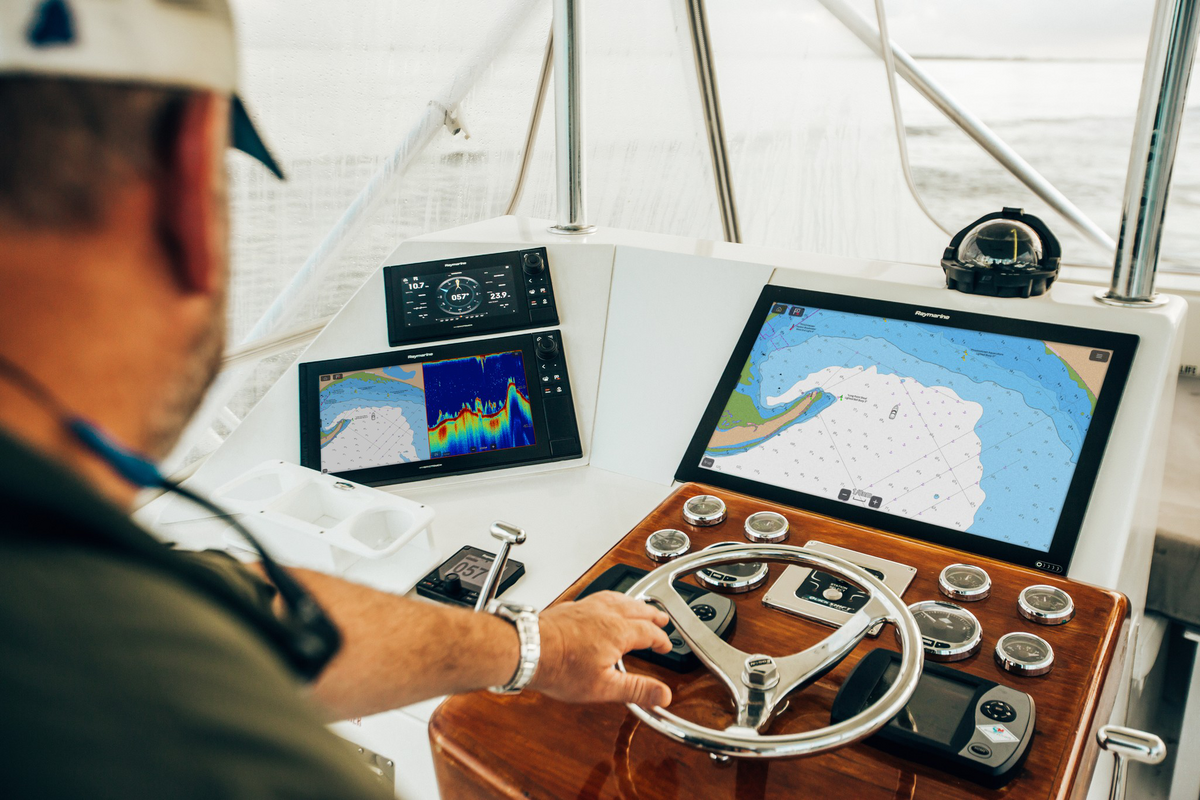
This approach can benefit recreational boats, yachts, superyachts, fishing vessels, tugboats, charter vessels, workboats, and larger commercial vessels. Depending on the vessel and its requirements, a refit may include navigation equipment, radar, AIS, VHF communications, autopilot systems, displays, sensors, wiring, and marine networks.
Ignition Marine works with marine electronics systems from established brands, including Garmin Marine Products and Raymarine Marine Electronics, providing options for vessel owners planning electronics upgrades and system integration.
What Is a Marine Electronics Refit?
A marine electronics refit is a planned process of evaluating and modernizing multiple electronic systems on a vessel. It may involve replacing obsolete equipment, upgrading wiring and networking, integrating newer technology, and configuring systems so they can communicate effectively. 
This is different from replacing a single failed chartplotter or repairing a malfunctioning radar. A refit considers the larger electronics setup and how individual components interact.
 The goals can include:
- Improving access to current navigation information
- Supporting better communication between onboard systems
- Improving system reliability
- Increasing situational awareness
- Simplifying operation and monitoring
- Reducing dependence on obsolete equipment
A refit does not necessarily mean removing everything currently installed. Some existing equipment may remain if it is in good condition and can work effectively with the new system.
When Does a Vessel Need an Electronics Refit?
There is no single age at which every vessel needs a marine electronics modernization. The need usually becomes apparent when equipment is outdated, difficult to support, or no longer works well as part of the overall system.
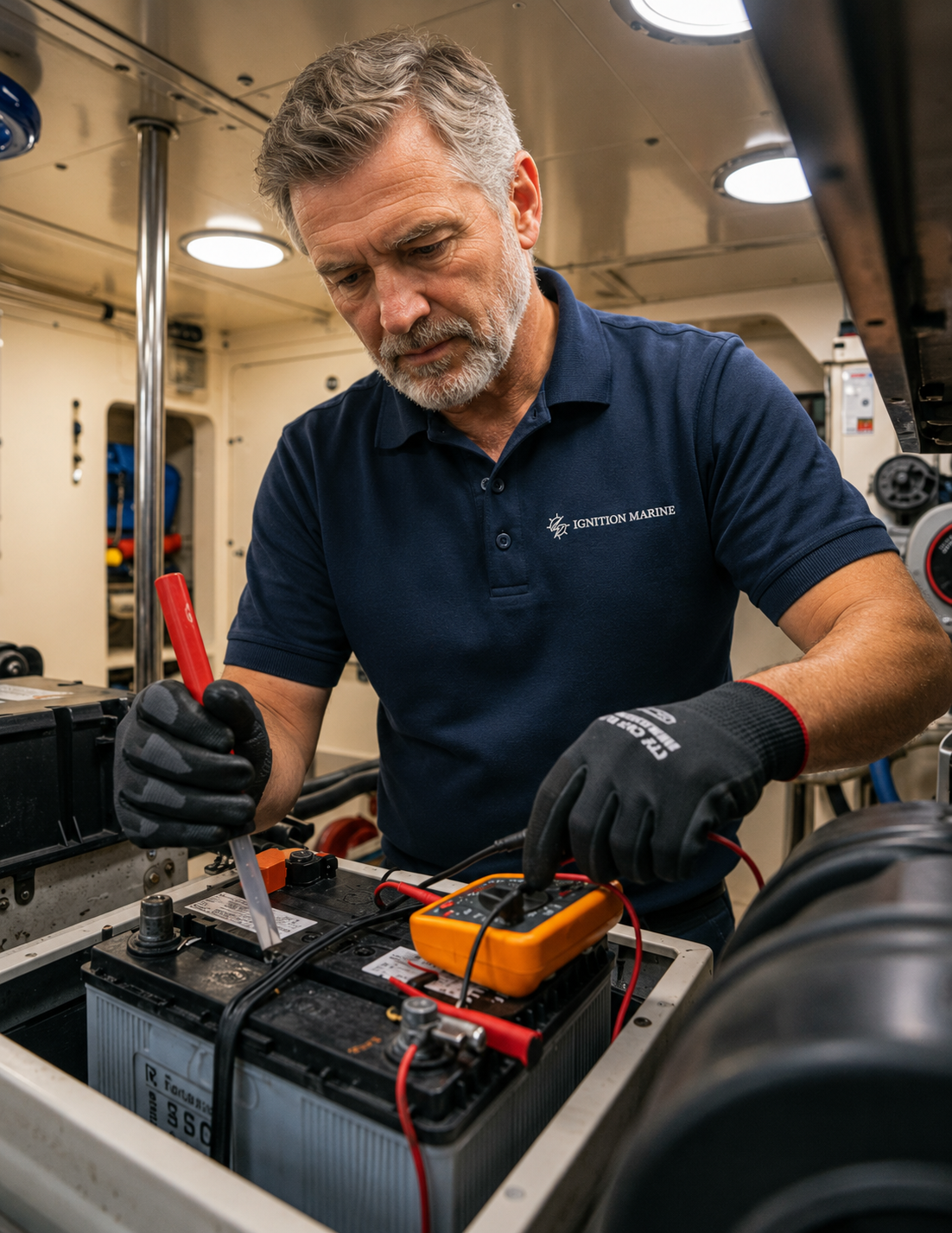 Common signs include:
Outdated or Unsupported Electronics
Older displays, navigation equipment, radios, and sensors may eventually become difficult to update or replace. If manufacturers no longer provide parts, software support, or compatible accessories, modernization may be worth considering.
Systems That Do Not Communicate Properly
A vessel may have several functioning devices that operate independently but cannot effectively share information. This can make the helm more complicated and limit the usefulness of newer equipment.
Frequent Equipment Failures
Repeated marine electronics repair can become less practical when equipment is aging or replacement parts are increasingly difficult to find.
Navigation or Communication Limitations
Unreliable navigation data, outdated chartplotters, limited radar capability, or aging communication equipment can indicate that the vessel’s electronics need a broader review.
Aging Wiring and Connections
The equipment itself is only part of the system. Older wiring, connectors, terminations, and network infrastructure can also affect reliability and compatibility.
A Larger Vessel Refit or Repower
An electronics project often makes sense alongside a larger vessel refit, repower, or modernization project. Coordinating the work can provide an opportunity to review related systems at the same time.
What is included in a Marine Electronics Refit?
The exact scope depends on the vessel, existing equipment, intended use, and owner’s requirements. A complete marine electronics refit may include several interconnected systems.

Marine Navigation Electronics
Navigation equipment is often central to an electronics modernization project.
A refit may involve:
-
-
-
-
-
-
-
-
-
-
-
-
-
-
-
-
-
-
-
-
-
-
-
-
-
- Chartplotters and multifunction displays
- Electronic charts
- GPS/GNSS equipment
- Navigation sensors
- Depth and sonar systems
-
-
-
-
-
-
-
-
-
-
-
-
-
-
-
-
-
-
-
-
-
-
-
-
Newer multifunction displays can provide a central interface for information from several onboard systems, depending on the equipment and network configuration.
Marine Radar Systems
Radar can be evaluated for condition, compatibility, and integration with other navigation equipment.
A radar upgrade or replacement may involve:
-
-
-
-
-
-
-
-
-
-
-
-
-
-
-
-
-
-
-
-
-
-
-
-
-
- Installing a newer radar unit
- Improving target detection and tracking capabilities
- Connecting radar to multifunction displays
- Reviewing existing cabling and mounting arrangements
-
-
-
-
-
-
-
-
-
-
-
-
-
-
-
-
-
-
-
-
-
-
-
-
Whether existing components can be retained depends on the equipment generation and compatibility with the proposed system.
Marine Communication Systems

Communication equipment is another important part of a vessel’s electronics setup.
Depending on the vessel, a refit may include:
- VHF radios
- AIS equipment
- Satellite communication systems where applicable
- Intercom and onboard communication systems
The goal is to create communication equipment that fits the vessel’s operational requirements while working effectively with the rest of the electronics system.
Marine Autopilot Systems
An autopilot system can be reviewed as part of a broader navigation refit.
The work may include:
- Autopilot controls
- Heading sensors
- Integration with navigation equipment
- System configuration and calibration
Compatibility with the vessel’s steering system and other navigation equipment should be considered before selecting replacement components.
Displays, Sensors, and Monitoring
Modern vessels can have numerous sensors providing information about navigation, environmental conditions, engines, and other onboard systems.
A refit may evaluate:
-
-
-
-
-
-
-
-
-
-
-
-
-
-
-
-
-
-
-
-
-
-
-
-
-
-
- Engine and vessel monitoring displays
- Depth sensors
- Temperature sensors
- Wind instruments
- Heading information
- Other vessel-specific sensors
-
-
-
-
-
-
-
-
-
-
-
-
-
-
-
-
-
-
-
-
-
-
-
-
-
Where compatible, information can be shared across displays instead of requiring separate instruments for every function.
Marine Electrical and Wiring Upgrades
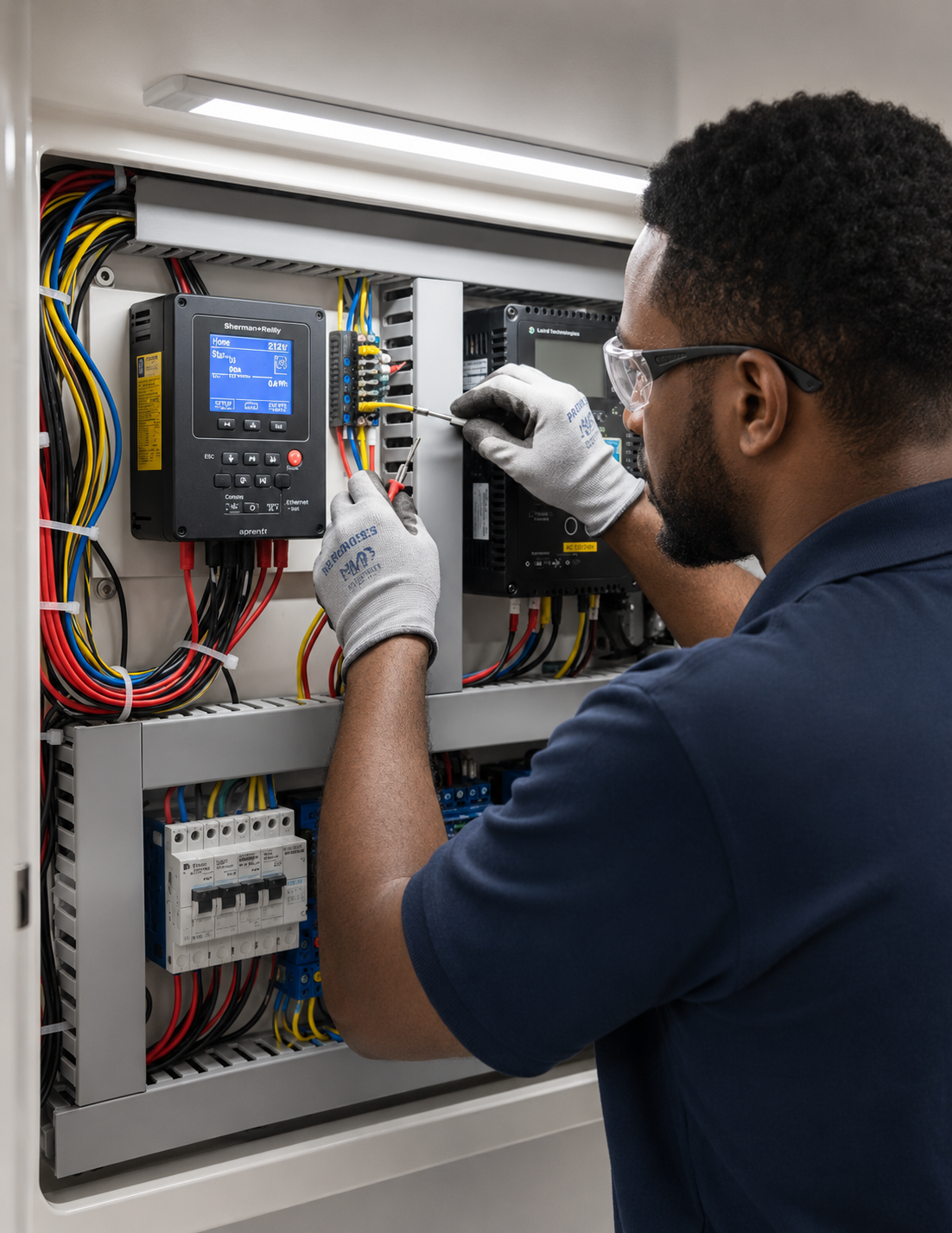
Marine electronics depend on appropriate electrical and network infrastructure. During a refit, the wiring and connections supporting the equipment should also be evaluated.
This can include:
- Aging wiring
- Connections and terminations
- Power distribution
- Network cabling
- Equipment organization
Addressing infrastructure as part of the project can help avoid installing modern equipment on an unsuitable or poorly organized system.
Marine Electronics Integration
Replacing individual devices does not automatically create a modern electronics system. The equipment needs to communicate properly for the vessel owner or operator to get the most practical value from the setup.
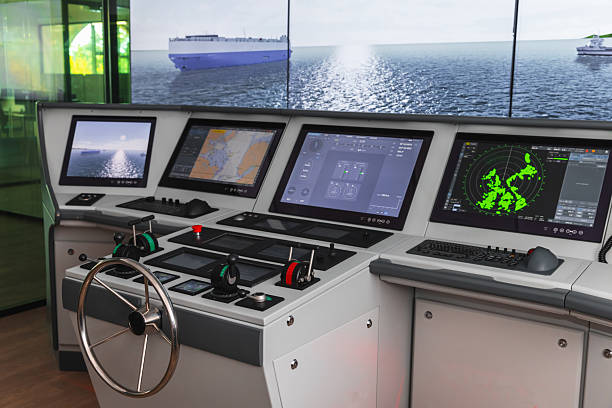
For example, GPS and other sensors can provide information to a network. A multifunction display may then present that information alongside radar or AIS data, while compatible navigation equipment can share information with an autopilot.
A simplified system flow looks like this:
GPS/Sensors → Network → Multifunction Display → Radar/AIS/Autopilot → Operator
Marine networks provide the communication pathway between compatible equipment. Systems such as NMEA 2000 can be used to exchange data between supported marine devices, while other network technologies may handle higher-bandwidth information such as radar, sonar, or cameras.
The exact network design depends on the equipment selected and the vessel’s existing infrastructure. Compatibility should therefore be considered before individual devices are purchased.
Marine Electronics Upgrade vs. Replacement vs. Refit
These terms are sometimes used interchangeably, but they can describe different scopes of work.
 Upgrade
An upgrade generally improves or adds a specific system.
For example, a vessel owner may replace an older chartplotter with a newer multifunction display while retaining other compatible equipment.
Replacement
A replacement involves removing outdated or failed equipment and installing a newer equivalent or alternative.
This may be appropriate when a device has reached the end of its useful service life or is no longer practical to support.
Refit
A refit takes a broader approach. Multiple interconnected systems are evaluated and modernized as part of one coordinated project.
A marine electronics retrofit may therefore include a combination of equipment replacement, upgrades, wiring improvements, networking, integration, configuration, and testing.
Benefits of Modernizing Your Vessel’s Electronics
A properly planned electronics modernization can make a vessel’s systems easier to use and maintain. Potential practical benefits include:
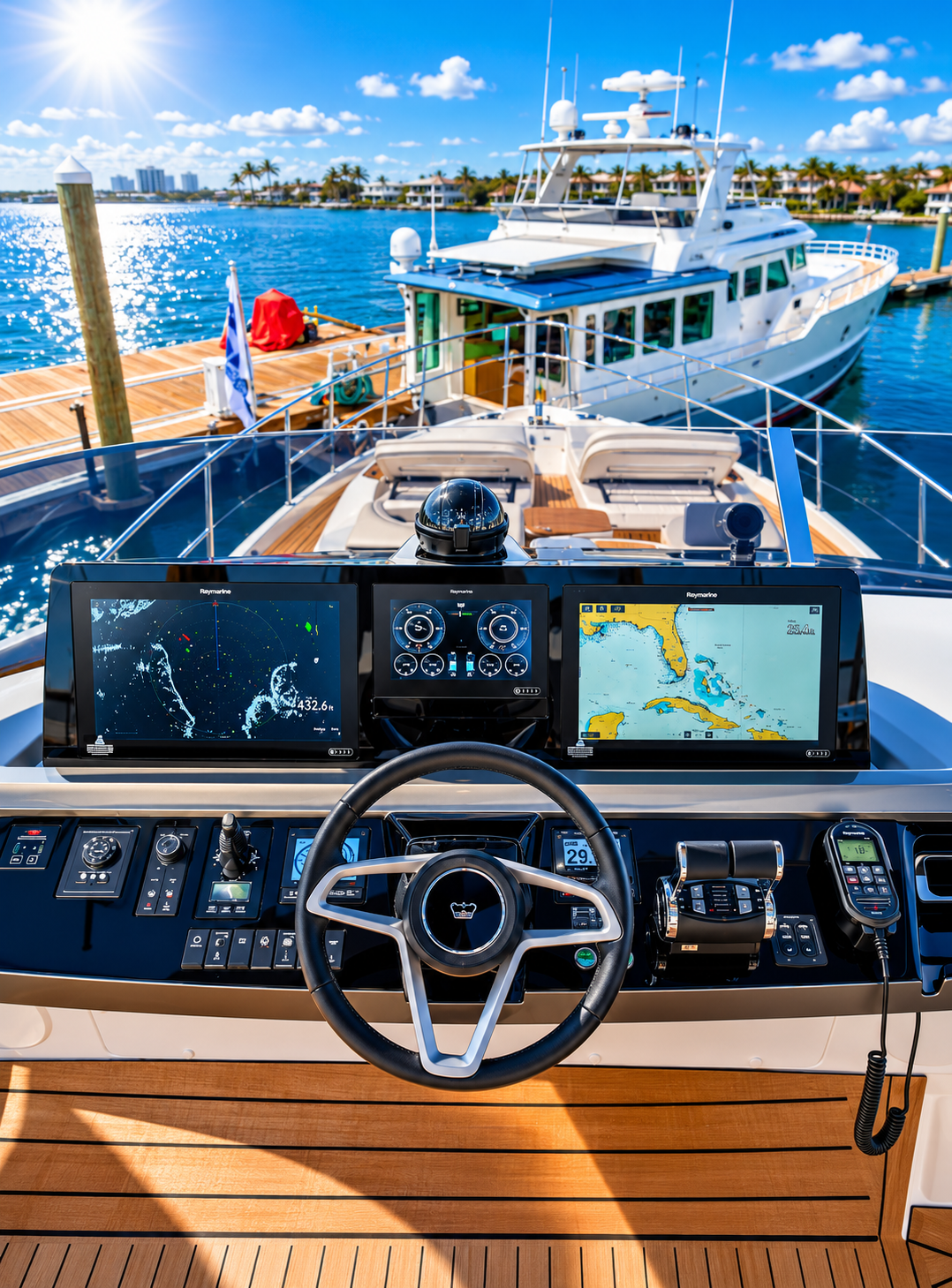
 More Current Navigation Information
Newer navigation equipment can provide access to current features and supported electronic chart solutions.
Improved Situational Awareness
Integrating information from navigation, radar, AIS, sensors, and other systems can make relevant data.
Better Communication Capabilities
Updating communication equipment can provide access to newer capabilities.
Easier System Operation
A well-integrated setup can reduce the need to switch between numerous independent displays and controls.
Better Equipment Integration
Modern systems can share information across compatible networks, allowing multiple devices to work.
Easier Troubleshooting and Maintenance
A properly organized system can make it easier to identify individual components, connections, and equipment when maintenance is required.
Reduced Dependence on Obsolete Equipment
Modernization can reduce reliance on electronics that are difficult to repair, update, or replace.
Marine Electronics Refit for Different Types of Vessels
The right electronics refit depends heavily on how a vessel is used.
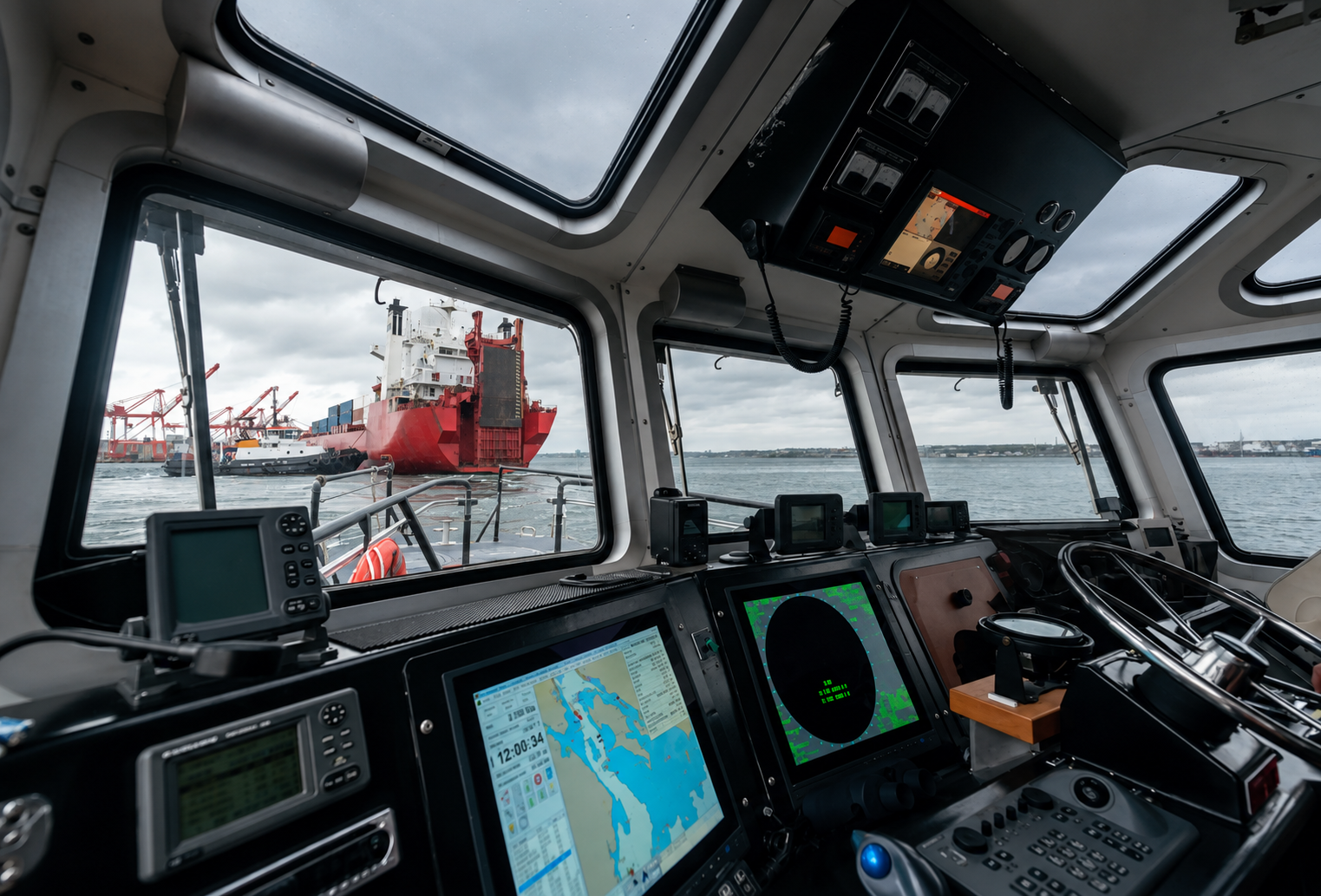
Recreational Boats
Smaller recreational boats may focus on practical improvements such as:
- Navigation displays
- GPS
- Radar
- VHF communication
- Depth and sonar
- Basic vessel monitoring
The objective may be to modernize the helm without unnecessarily replacing equipment that remains functional.
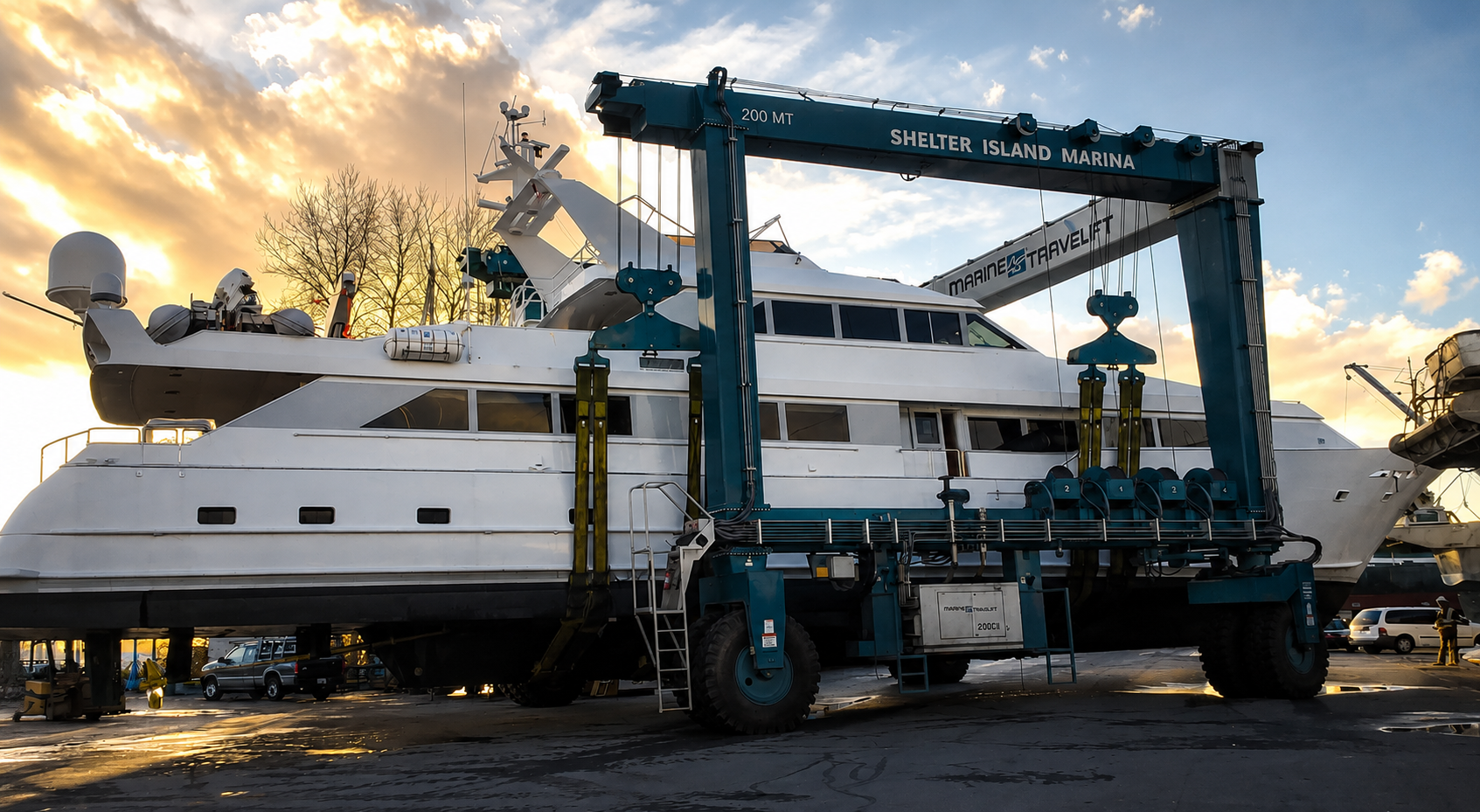 Yachts
 can require a more integrated electronics setup covering navigation, communications, monitoring, and other onboard systems. Depending on the vessel, the project may involve multiple displays, navigation stations, radar, AIS, autopilot, sensors, and networked equipment.
Superyachts and Megayachts
Larger yachts often require more complex electronics, including multiple navigation stations, monitoring systems, communications, and integrated onboard technology.
Commercial and Working Vessels
For these vessels, navigation, communication, monitoring, reliability, and operational requirements should guide the refit rather than simply installing the newest available equipment.
-
-
-
-
-
-
-
-
-
-
-
-
-
-
-
-
-
-
-
-
-
-
-
-
-
-
-
- Fishing vessels
- Tugboats
- Charter and passenger vessels
- Workboats
- Fleet vessels
-
-
-
-
-
-
-
-
-
-
-
-
-
-
-
-
-
-
-
-
-
-
-
-
-
-
Ships and Large Commercial Vessels
Larger vessels can involve more extensive navigation and communication systems, along with existing vessel infrastructure that must be considered during modernization.
Planning may need to account for vessel operations, existing equipment, integration requirements, and applicable regulatory considerations.
The Marine Electronics Refit Process
A complete refit should follow a structured process rather than treating each device as an isolated installation.
1. Assess Existing Equipment
The first step is to understand what is already installed.
This can include:
-
-
-
-
-
-
-
-
-
-
-
-
-
-
-
-
-
-
-
-
-
-
-
-
-
-
-
-
- Creating an inventory of current electronics
- Identifying outdated or damaged equipment
- Checking compatibility
- Reviewing wiring and network infrastructure
-
-
-
-
-
-
-
-
-
-
-
-
-
-
-
-
-
-
-
-
-
-
-
-
-
-
-
Not every existing component necessarily needs to be removed.
2. Determine the Vessel’s Requirements
The new system should reflect how the vessel is actually used.
Important considerations include:
-
-
-
-
-
-
-
-
-
-
-
-
-
-
-
-
-
-
-
-
-
-
-
-
-
-
-
-
-
- Vessel type and size
- Intended use
- Operating environment
- Existing equipment
- Owner or operator requirements
-
-
-
-
-
-
-
-
-
-
-
-
-
-
-
-
-
-
-
-
-
-
-
-
-
-
-
-
A fishing vessel, cruising yacht, tugboat, and passenger vessel may have very different electronics priorities.
3. Plan the New System
Once the existing setup and requirements are understood, the new configuration can be planned.
This may involve:
-
-
-
-
-
-
-
-
-
-
-
-
-
-
-
-
-
-
-
-
-
-
-
-
-
-
-
-
-
-
- Selecting compatible equipment
- Planning networking and wiring
- Determining equipment locations
- Considering future expansion
-
-
-
-
-
-
-
-
-
-
-
-
-
-
-
-
-
-
-
-
-
-
-
-
-
-
-
-
-
Planning compatibility at this stage can help prevent problems during installation.
4. Install and Integrate the Equipment
The installation stage may involve retaining some equipment while replacing other components.
New electronics are installed, connected, configured, and integrated into the vessel’s network and electrical systems as appropriate.
5. Test and Calibrate
Testing helps confirm that individual devices and interconnected systems are working as intended.
Final System Check
The completed system should be reviewed before the project is considered finished.
This includes confirming equipment operation and documenting the updated configuration. Good documentation can also make future troubleshooting and maintenance easier.
Why Compatibility Matters in Marine Electronics
Modern equipment may need to communicate with equipment from different generations or manufacturers. A device can be technically functional on its own but still be unsuitable for the overall system if the necessary connections, protocols, or network infrastructure are not available.
Compatibility considerations can include:
- Network requirements
- Power requirements
- Connectors and cabling
- Software and firmware
- Data communication
- Existing equipment
This is why equipment selection should happen as part of a broader system plan.
For example, some modern systems are designed to work with certain existing sensors or network components through appropriate adapters or interfaces. Whether that is possible depends on the specific equipment and installation.
When to Repair Marine Electronics Instead of Replacing Them
A complete refit does not mean every existing electronic component needs to be replaced. Marine electronics repair may make sense when equipment is still supported, compatible with the planned system, and in otherwise good condition.
Several factors should be considered:
- Age of the equipment
- Availability of replacement parts
- Repair history
- Reliability
- Compatibility with newer systems
- Manufacturer support
- Long-term usefulness
If an older device requires repeated repairs or creates compatibility limitations, replacing it may be more practical than continuing to repair it.
The right choice depends on the condition of the equipment and how it fits into the vessel’s planned electronics configuration.
Marine Electronics Refit in Richmond, BC
For vessel owners and operators in the Lower Mainland, a marine electronics refit can be planned around the vessel’s specific operating requirements and existing systems.
Ignition Marine’s Richmond operation supports commercial marine work, while its broader services include electrical systems, navigation electronics, radar, GPS, VHF, control systems, and electrical upgrades. Its commercial marine facility is located at Shelter Island Marina.
A refit can be considered for a range of vessels, including:
- Yachts
- Commercial vessels
- Fishing vessels
- Tugboats
- Workboats
- Other working vessels
Depending on the project, the scope may include navigation equipment, communication systems, radar, displays, sensors, wiring, and system integration.
Ignition Marine also provides navigation system setup and maintenance, chartplotter upgrades and installation, and radar installation and maintenance.
Marine Electronics Partner Brands
Ignition Marine works with established marine electronic brands, including Garmin, Raymarine, and Simrad systems for chartplotter and other navigation support that provides installation, diagnostics, repairs, networking, and system integration support.

When Should You Plan a Marine Electronics Refit?
A refit may be worth planning when several electronics-related issues occur at the same time.
Consider evaluating the system when:
- Electronics are outdated or unsupported
- Multiple systems require replacement
- Equipment is no longer compatible
- Navigation or communication systems need modernization
- Electronics failures are becoming frequent
- The vessel is undergoing a larger refit or repower
- Operational requirements have changed
- Multiple independent systems need to be consolidated
Planning ahead can also help owners avoid making isolated equipment purchases that may later limit the overall system configuration.
Modernize Your Vessel’s Electronics for Better Integration
Modern marine electronics can do more than provide individual functions. When compatible equipment is properly connected, navigation, radar, AIS, autopilot, sensors, communications, and monitoring systems can share relevant information across the vessel.
That makes system planning just as important as equipment selection.
A complete marine electronics refit should therefore begin with an assessment of the existing installation and the vessel’s requirements. From there, equipment, wiring, networking, integration, calibration, and future service needs can be considered as one coordinated project.
 Conclusion
A complete marine electronics refit is more than replacing an outdated chartplotter or radar unit. It is an opportunity to evaluate the vessel’s electronics as a connected system and determine which components should be repaired, retained, upgraded, replaced, or integrated.
The process can include navigation, radar, communications, autopilot, displays, sensors, wiring, networking, and system configuration. Compatibility should remain a priority throughout the project, especially when combining newer equipment with existing systems.
For vessel owners considering modernization, reviewing the entire electronics setup before selecting individual upgrades can provide a clearer path toward a practical and integrated system.
Planning a Marine Electronics Refit?
Upgrade and integrate your vessel’s navigation, communication, monitoring, and onboard electronics with a system designed around your vessel’s needs.
[Discuss Your Marine Electronics Refit]


